

Vitamin C serums are one of the most talked-about skincare products on the market — and for good reason. Known for their ability to brighten dull skin, fade dark spots, and protect against environmental damage, vitamin C serums are often considered a must-have in any skincare routine. However, many traditional vitamin C products are too strong for sensitive skin, causing irritation, redness, or breakouts.
That’s where Cetaphil enters the conversation.
In this Cetaphil Vitamin C Serum review, we take an in-depth look at what makes this serum different, how it performs in real-life use, whether it’s suitable for sensitive and acne-prone skin, and if it’s truly worth your money compared to other vitamin C serums on the market.
What Is Cetaphil Vitamin C Serum?
Cetaphil Vitamin C Serum is a dermatologist-developed brightening serum designed specifically for sensitive skin. Unlike high-strength vitamin C formulas that rely on pure L-ascorbic acid, Cetaphil uses a stabilized vitamin C derivative that delivers antioxidant benefits with significantly less irritation.
Cetaphil as a brand is widely trusted and recommended by dermatologists, particularly for people with reactive, compromised, or acne-prone skin. This serum follows the brand’s philosophy: gentle, effective, and barrier-supportive skincare.
Product claims include:
- Brighter, more even skin tone
- Protection against environmental stressors
- Gentle enough for daily use
- Suitable for sensitive skin
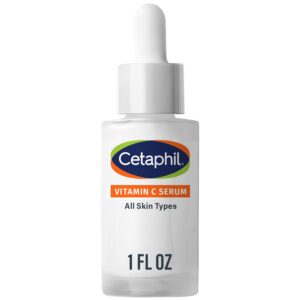
Cetaphil Vitamin C Serum Ingredients Explained
Understanding the ingredient list is crucial in any honest cetaphil vitamin c serum review, especially for users with sensitive skin.
Vitamin C (Stabilized Form)
Instead of pure L-ascorbic acid, Cetaphil uses a stabilized vitamin C derivative. This form:
- Is less irritating
- Oxidizes more slowly
- Works well for beginners
- Provides gradual brightening rather than instant results
While it may not deliver dramatic overnight changes, it offers consistent, long-term skin tone improvement with better tolerance.
Antioxidant Support
The formula includes additional antioxidants that help neutralize free radicals caused by pollution and UV exposure. This makes the serum effective for preventing premature aging, not just brightening.
Hydrating & Barrier-Supporting Ingredients
Cetaphil is known for prioritizing the skin barrier. This serum includes moisturizing agents that help:
- Reduce transepidermal water loss
- Prevent dryness or tightness
- Support daily vitamin C use without irritation
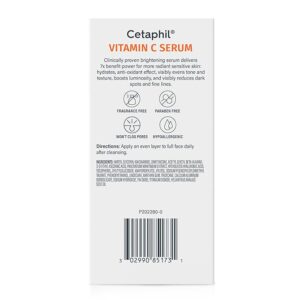
Importantly, the serum is fragrance-free, alcohol-free, and non-comedogenic, which significantly lowers the risk of breakouts or sensitivity.
From a dermatological perspective, stabilized vitamin C derivatives are often recommended for individuals with sensitive or compromised skin barriers. Unlike pure L-ascorbic acid, which requires a low pH to remain effective and can trigger irritation, stabilized forms work at a skin-friendly pH and release antioxidant benefits more gradually.
This slower delivery helps minimize inflammation while still supporting collagen synthesis and oxidative stress protection. For users who experience redness or breakouts from traditional vitamin C serums, this formulation approach significantly improves tolerability without eliminating efficacy.
Texture, Absorption & Application Experience
One of the most frequently praised aspects in user feedback is the texture.
The Cetaphil Vitamin C Serum has a lightweight, milky-gel consistency that spreads easily and absorbs quickly into the skin. It does not feel sticky, greasy, or heavy — a major plus for people with oily or combination skin.
Application Experience:
- Absorbs within seconds
- No pilling under sunscreen or makeup
- Leaves a soft, hydrated finish
- Comfortable for morning use
Unlike some vitamin C serums that sting upon application, this one feels calm and soothing on the skin, even around sensitive areas like the cheeks or jawline.
Real-World Testing: 4-Week Usage Experience
To evaluate performance beyond first impressions, Cetaphil Vitamin C Serum was tested consistently over a four-week period using a standard morning skincare routine. The serum was applied once daily on clean, dry skin, followed by a lightweight moisturizer and broad-spectrum sunscreen.
During the first week, the most noticeable benefit was improved hydration and reduced skin tightness, especially around the cheeks and mouth. By week two, the complexion appeared more balanced with a subtle, healthy glow — without increased oiliness or breakouts.
After four weeks of continuous use, the skin tone looked more even overall, with mild dark spots appearing slightly softened. Importantly, no irritation, redness, or stinging was experienced throughout the testing period, even when layered under sunscreen and makeup.
While results were gradual rather than dramatic, the serum proved reliable and comfortable for long-term daily use — a key factor for sensitive skin users.
Cetaphil Vitamin C Serum Results: Does It Really Work?
Short-Term Results (1–2 Weeks)
Within the first couple of weeks, most users notice:
- Improved skin hydration
- A healthier, more refreshed appearance
- Reduced dullness
The changes are subtle but noticeable — especially if your skin previously looked tired or uneven.
Mid to Long-Term Results (4–8 Weeks)
With consistent daily use, results become more visible:
- More even skin tone
- Gradual brightening
- Reduced appearance of mild dark spots
- Improved overall skin texture
It’s important to set realistic expectations. This serum is not designed for aggressive pigment correction. Instead, it excels at maintaining brightness and preventing further discoloration over time.
Is Cetaphil Vitamin C Serum Good for Sensitive Skin?
From a dermatological perspective, stabilized vitamin C derivatives are often recommended for individuals with sensitive or compromised skin barriers. Unlike pure L-ascorbic acid, which requires a low pH to remain effective and can trigger irritation, stabilized forms work at a skin-friendly pH and release antioxidant benefits more gradually.
This slower delivery helps minimize inflammation while still supporting collagen synthesis and oxidative stress protection. For users who experience redness or breakouts from traditional vitamin C serums, this formulation approach significantly improves tolerability without eliminating efficacy.
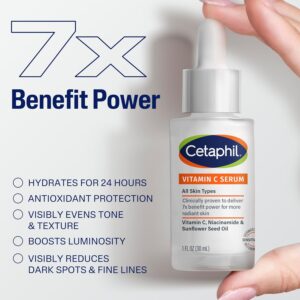
Pros and Cons of Cetaphil Vitamin C Serum
✅ Pros
- Gentle and non-irritating
- Dermatologist-developed
- Suitable for sensitive and acne-prone skin
- Lightweight, fast-absorbing texture
- Works well under sunscreen and makeup
- Stable vitamin C formula
❌ Cons
- Results are gradual, not dramatic
- Not ideal for stubborn melasma or deep pigmentation
- May feel too mild for experienced vitamin C users
Cetaphil Vitamin C Serum vs Other Vitamin C Serums
Compared to High-Strength L-Ascorbic Acid Serums
High-potency serums (15–20% LAA) work faster but often cause irritation. Cetaphil trades speed for consistency and comfort, making it better for daily long-term use.
Compared to Budget Vitamin C Serums
Many affordable vitamin C products oxidize quickly or contain fragrance. Cetaphil offers better stability, formulation quality, and skin tolerance.
Compared to Sensitive-Skin Vitamin C Alternatives
Cetaphil holds its own by offering a balanced formula backed by a trusted dermatological brand, often at a more accessible price point.
How to Use Cetaphil Vitamin C Serum Correctly
For best results:
Morning Routine (Recommended):
- Gentle cleanser
- Cetaphil Vitamin C Serum
- Moisturizer
- Broad-spectrum sunscreen (SPF 30+)
Tips:
- Use 1–2 pumps for the entire face
- Apply to dry skin
- Always follow with sunscreen when used in the morning
- Can be paired safely with niacinamide and ceramides
Avoid combining it with strong exfoliating acids or retinoids in the same routine if your skin is sensitive.
Who Should Use Cetaphil Vitamin C Serum?
Ideal For:
- Sensitive skin
- Vitamin C beginners
- Mild dullness or uneven tone
- Daily antioxidant protection
- Acne-prone or combination skin
Not Ideal For:
- Severe hyperpigmentation
- Melasma
- Users seeking fast, dramatic brightening
Cetaphil Vitamin C Serum FAQ
Does Cetaphil Vitamin C Serum clog pores?
No. It is non-comedogenic and suitable for acne-prone skin.
Can I use it every day?
Yes. Most users tolerate daily use well.
Is it safe to use with sunscreen?
Absolutely. Vitamin C works best when paired with sunscreen.
How long before I see results?
Hydration and glow may appear in 1–2 weeks, with brighter skin in 4–8 weeks.
Final Verdict: Is Cetaphil Vitamin C Serum Worth It?
From an editorial standpoint, Cetaphil Vitamin C Serum succeeds not by delivering dramatic overnight changes, but by offering a dependable, skin-friendly solution for long-term brightness and antioxidant protection. Its gentle formulation reflects a growing shift in skincare toward barrier health and sustainability rather than aggressive treatment.
For sensitive skin users, vitamin C beginners, or anyone seeking a low-risk daily antioxidant serum, this product stands out as a thoughtful and well-formulated option.
Overall Rating: ⭐⭐⭐⭐☆ (4.5/5)
Best for: Sensitive skin, daily use, long-term skin health
Not for: Aggressive pigmentation correction seekers