
Many people encounter a common issue in their skincare routine: while facial serums work wonders on their skin, eye serums seem ineffective—or they skip eye serums altogether and use only facial serums. In reality, facial serums and eye serums differ not only in their functions and ingredients but also in how they should be applied. Understanding these distinctions and mastering the correct application order can enhance your skincare results, especially for the delicate, age-prone eye area.
I. Definitions & Fundamental Differences
- Target Area & Skin Structure
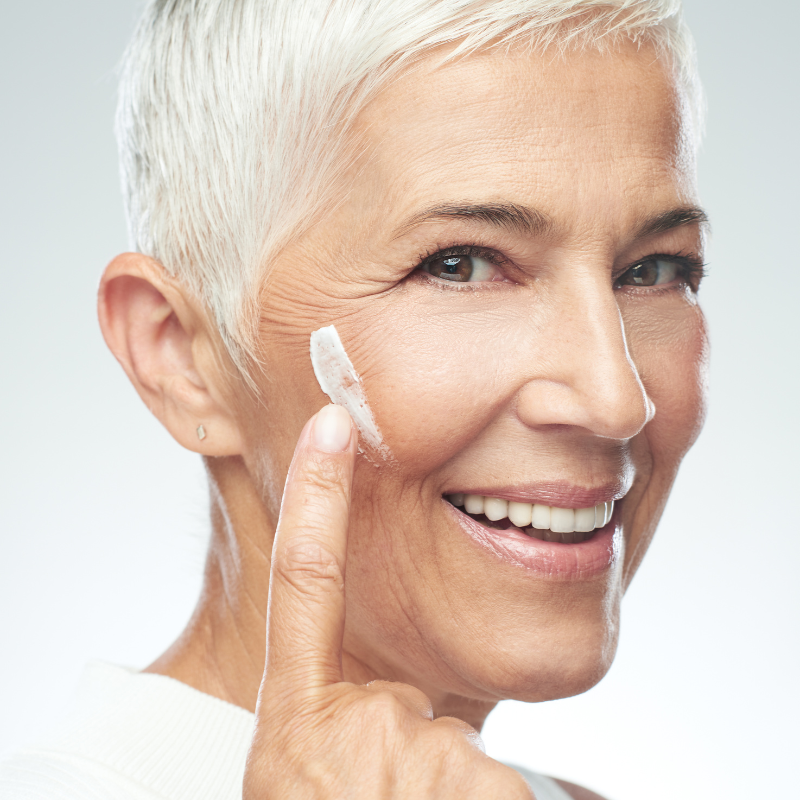
The facial skin covers a large area and is relatively thick; it includes the forehead, cheeks, nose, and chin, with a high concentration of sebaceous glands and pores.
- Texture and Absorption Speed
Typically has a slightly thicker texture and contains medium to high concentrations of active ingredients; absorption speed varies by product.
- Concentration of Ingredients and Level of Irritation
Contains higher concentrations of antioxidants, retinol, acids, etc.; those with sensitive skin should be mindful of usage frequency.
- Target Area & Skin Structure
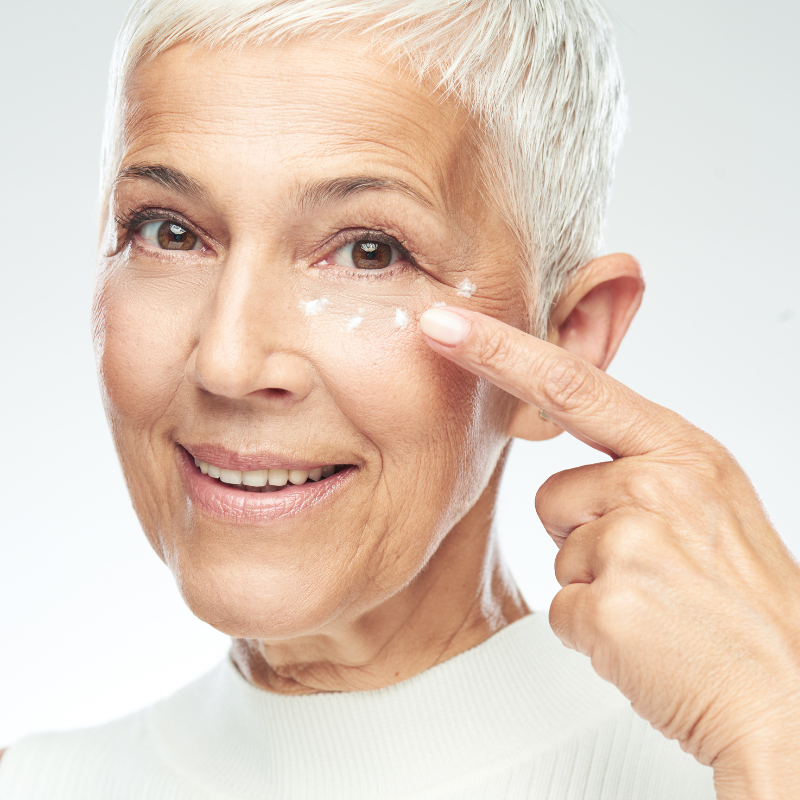
The skin around the eyes is extremely thin (approximately one-third of the face), produces little oil, and is prone to fine lines, dark circles, and puffiness.
- Texture and Absorption Speed
Lighter and thinner (liquid, gel, serum formulations), highly penetrating, absorbs quickly but requires pairing with moisturizing/hydrating products for optimal repair capabilities.
- Concentration of Ingredients and Level of Irritation
Ingredients are generally milder to reduce irritation; products specifically designed for the eye area feature stricter control over ingredients like niacinamide and caffeine.
II. Efficacy Comparison: A Side-by-Side Look at Their Effects
- Anti-aging / Reduces fine lines and wrinkles
Face Serum: Formulated with concentrated retinol, high-potency peptides, and antioxidants for comprehensive benefits.
Eye Serum: Targets crow’s feet, under-eye bags, and fine lines. Due to the delicate nature of the eye area, it typically features gentle retinol and peptide complexes.
- Moisturizing and Locking in Hydration
Facial serums are typically formulated with hydrating agents such as hyaluronic acid and glycerin;
Eye serums paired with eye creams are commonly used to lock in moisture and prevent water loss.
- Brightening / Reducing Dark Circles
Eye-specific brightening ingredients (such as niacinamide, vitamin C derivatives, and caffeine) are more targeted for uneven skin tone around the eyes; while facial serums may contain higher concentrations of brightening agents, they can potentially irritate the delicate eye area.
III. When to Use Face Serum vs. Eye Serum
- If you have oily or combination-oily skin, facial serums excel at hydration + anti-aging + brightening, but may feel heavy around the eyes. Opt to apply facial serum all over your face while avoiding the eye area/sensitive eye contours.
- For noticeable dark circles, fine lines, or puffiness around the eyes, specialized eye serums/creams deliver targeted benefits.
- During dry seasons or nighttime routines, apply facial serum first, then layer on eye serum/eye cream. Opt for lightweight formulas during the day to avoid a heavy feel.
IV. Usage Order & Pairing Recommendations
- Cleanser → Toner → Face Serum
- Should eye serum be applied before face serum?
- It’s best to apply the lightweight eye serum first, then layer the face serum over it (but avoid letting the edges of the face serum irritate the delicate eye area).
- Use an eye serum + eye cream combination to lock in the active ingredients from your skincare products.
- Prioritize sun protection during the day; use face or eye serums containing sensitive ingredients at night.
V. Suitable Audience + Common Misconceptions
Who needs an eye serum?
- Individuals aged 25 and above with fine lines or dark circles
- Those experiencing sleep deprivation or chronic eye strain
- Sensitive eye area skin prone to reactions to facial serum ingredients
Common Misconceptions
- “Face serum + face cream can replace eye cream/eye serum” → Certain ingredients like retinol or acids may irritate the delicate eye area
- “The pricier the eye serum, the better” → Ingredient formulation & concentration + texture suitability matter more
- Overuse or layering too many products → Can easily cause irritation, redness, or clogged pores
VI. Product Type Reference
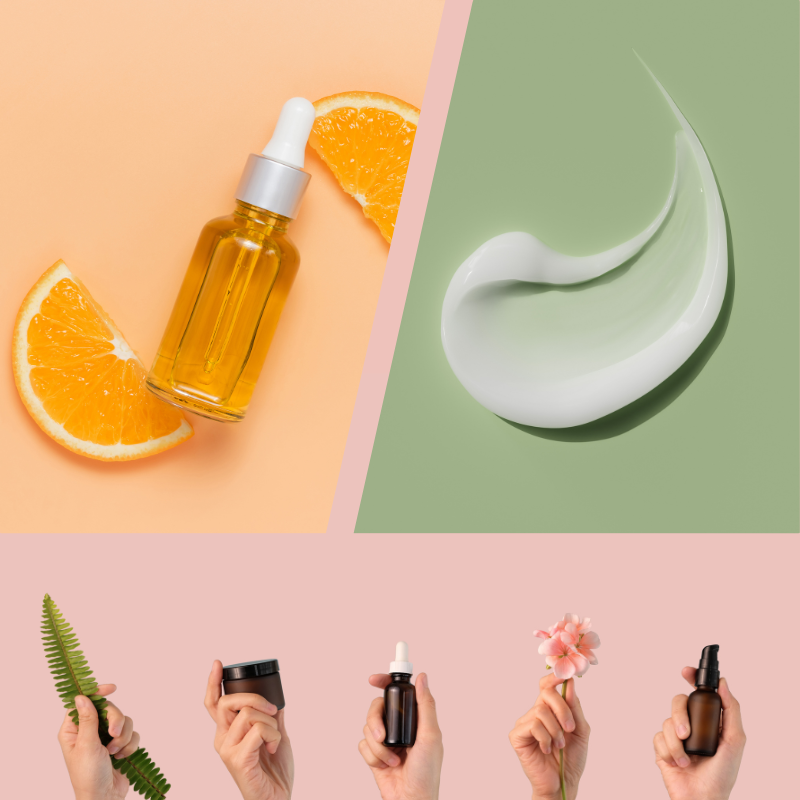
- Lightweight Eye Serums (with Niacinamide + Vitamin C, etc.)
- Peptide/Retinol-Rich Face Serums (Night Use)
- Gentle Eye Creams/Eye Masks: Hydration Lock + Puffiness Relief
VII. Conclusion
Understanding the key difference between “face serums vs. eye serums” helps you invest in skincare more precisely—avoiding waste and blind choices. By selecting products based on your skin type and specific needs, and pairing them with the right skincare sequence, you’ll see fine lines fade, dark circles improve, and skin tone become more even.
👉 If you’re curious about a specific product (like retinol eye serum or vitamin C eye cream), feel free to comment below! I’ll share a list of “high-value + user-favorite” recommendations tailored just for you.