You don’t need 13 steps, a vanity full of products, or a beauty school degree. You just need this guide — and maybe 10 minutes.
Picture this: You’ve watched three YouTube tutorials, spent $60 at CVS, and still somehow end up looking like you finger-painted your face at 7am. Your foundation is a different color than your neck. Your eyeliner is giving more “raccoon” than “editorial.” And you’re officially convinced makeup is just… not for you.
Here’s the thing — it’s not you. It’s the tutorials. Most beginner makeup guides throw 13 steps at you before you’ve even had coffee. They assume you already know what “baking” means or that you own a $40 primer. And honestly? That’s exhausting.
This is the makeup tutorial for beginners I wish someone had given me. We’re keeping it to five core steps, using products you can grab at the drugstore for under $10, and skipping every single technique that requires a YouTube rewind. By the end, you’ll have a go-to everyday look that takes under 15 minutes — and actually looks like you, just a little more put together.
Key Takeaways
- A complete beginner makeup look only requires 5 products — not 13
- Skin prep (moisturizer) is the single biggest factor in how your makeup looks
- Drugstore products like e.l.f. and Maybelline perform just as well as high-end for beginners
- Foundation shade-matching at your jawline (not your wrist) is the #1 tip that changes everything
- The correct order matters — but it’s simpler than most guides make it seem
What Order Do You Apply Makeup? (The Simple Version)
Let’s clear this up right away because it’s the question everyone Googles at midnight.
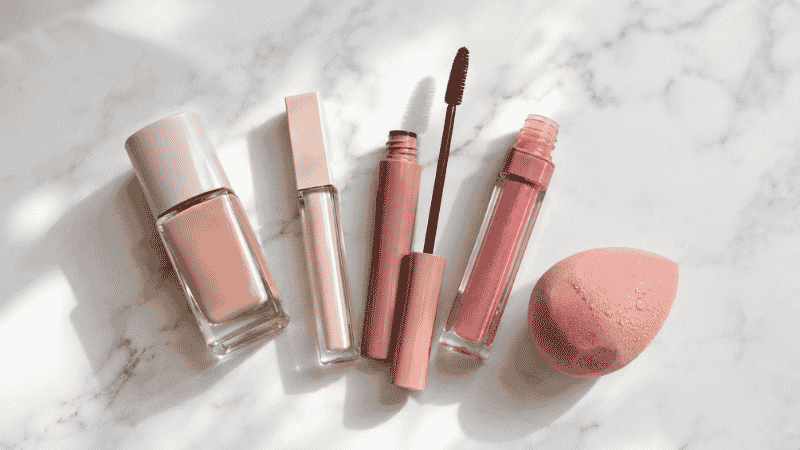
The correct makeup application order is: skincare → primer (optional) → foundation → concealer → powder → blush/bronzer → eyes → lips → setting spray.
But here’s my honest take as someone who has been doing this for years: for beginners, you don’t need all of that. Start with just the first five, get comfortable, then layer in more as you go. Trying to do everything at once is how you end up overwhelmed and wipe it all off before leaving the house.
The five non-negotiables for a clean, everyday look:
- Moisturizer
- Foundation or tinted moisturizer
- Concealer
- Mascara
- Lip balm or tinted lip product
That’s it. That’s the whole list to start. Everything else is a bonus.
Step 1: Prep Your Skin First (This Is the Step Everyone Skips)
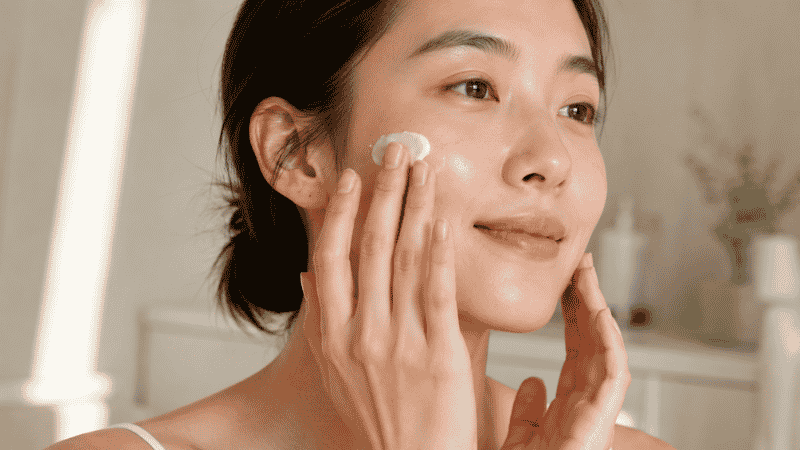
I’ll be direct: if your skin isn’t prepped, your makeup will not look good. It doesn’t matter if you spent $40 or $4 on your foundation. Dry, flaky, or greasy skin will make even the fanciest products look patchy and cakey.
Skin prep doesn’t mean a 10-step skincare routine. It means:
Wash your face with a gentle cleanser, or at minimum, splash it with water. You want a clean surface, not yesterday’s SPF and oil.
Moisturize. Even if you have oily skin — especially if you have oily skin. When skin is dehydrated, it overproduces oil, which is the reason your makeup slides off by noon. A light, oil-free moisturizer like the Neutrogena Hydro Boost Gel Cream ($18, but goes on sale constantly) or the e.l.f. Holy Hydration Face Cream ($12) gives your foundation something to grip onto instead of sinking into dry patches.
Give your moisturizer 2–3 minutes to absorb before moving on. This is a great time to brush your teeth, pick your outfit, or argue with yourself about whether you need bronzer today. (You probably don’t. Yet.)
Editor’s note: The single biggest makeup glow-up I’ve witnessed — in myself and in friends — came from adding moisturizer before foundation. It costs less than a coffee and takes 60 seconds. Do it.
Step 2: How to Apply Foundation for Beginners
Foundation is the step that intimidates most beginners, and I get it. There are 47 shades on the shelf and no one to help you. Here’s exactly how to handle it.
How to Match Your Foundation Shade
Test it on your jawline, not your wrist. Your wrist is a completely different shade than your face and will lie to you every single time. Swipe two or three shades along your jaw in natural light (near a window, outside the store if possible), and the one that disappears is your match.
If you’re shopping online, look for undertone clues:
- Cool undertone — pink or bluish veins, burns easily in the sun
- Warm undertone — green veins, tans easily
- Neutral — a mix of both
Best Drugstore Foundation for Beginners
You do not need to spend more than $15 on a starter foundation. These three are beginner-friendly, widely available, and genuinely good:
- Maybelline Fit Me Matte + Poreless (~$8) — best for oily or combo skin, stays put, huge shade range
- L’Oréal True Match Foundation (~$10) — great for normal to dry skin, blends like a dream, very natural finish
- e.l.f. Halo Glow Liquid Filter (~$14) — if you want that glowy, skin-tint vibe without full coverage
How to Apply Foundation Without It Looking Cakey
Start with a small amount — a pea-sized drop. You can always add more; you can’t take it away once it’s on.
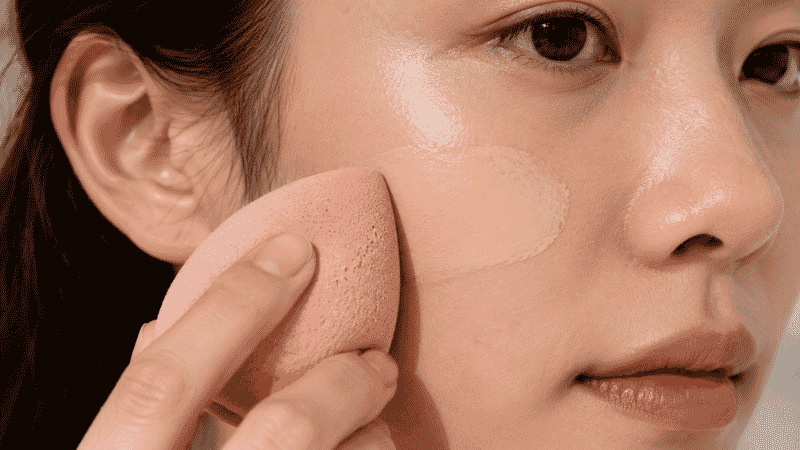
Apply with a damp beauty sponge (wet it, then squeeze out the water — damp, not dripping). Use a bouncing/pressing motion rather than dragging. This makes it look like skin, not a mask.
Only apply to areas you actually want coverage — forehead, cheeks, chin, and any redness around the nose. You don’t need foundation everywhere.
What if it looks orange or too dark? That’s oxidation — some foundations change shade when they react with your skin’s oils. It usually happens 20–30 minutes after application. Try going one shade lighter, or look for “oxidation-resistant” on the label.
Step 3: How to Apply Concealer for Beginners
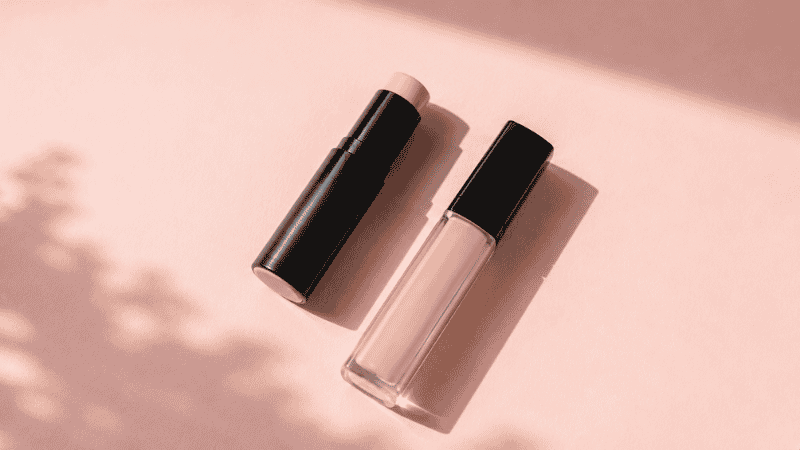
Concealer goes after foundation. It gives you more precise coverage and uses less product overall.
Use concealer for:
- Dark circles under your eyes
- Blemishes or red spots
- Any area where your foundation didn’t quite cover
The Under-Eye Trick Nobody Tells Beginners
Go one shade lighter than your foundation for under-eye concealer. This brightens the area and counteracts darkness. But don’t go too light — two or three shades lighter looks like a white triangle under your eyes, which is not the vibe.
Apply a tiny amount, tap (don’t rub) with your ring finger or a small brush, and set lightly with translucent powder if it tends to crease.
Best drugstore concealers for beginners:
- e.l.f. Hydrating Camo Concealer (~$10) — full coverage, doesn’t crease, incredible for the price
- Maybelline Fit Me Concealer (~$7) — lightweight, natural finish, great for everyday
Step 4: Easy Eye Makeup for Beginners
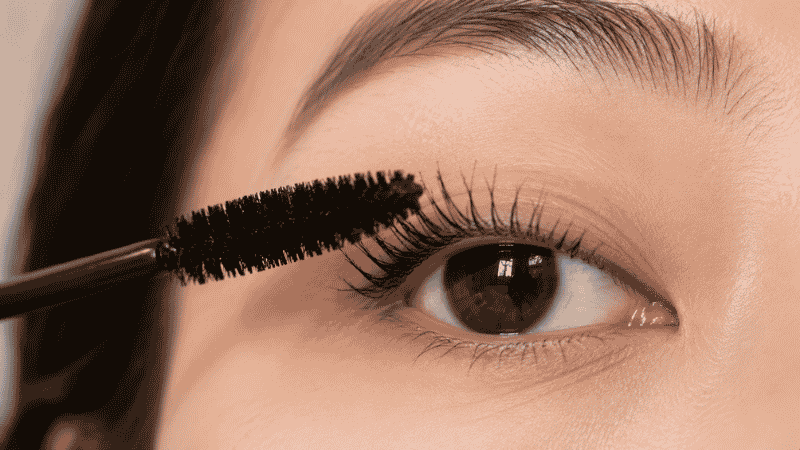
For a beginner everyday look, your eye makeup is just mascara — and maybe eyeliner if you want to push it a little. That’s it. No cut creases. No blending techniques that take 45 minutes.
How to Apply Mascara Without Clumping
Wiggle the wand at the base of your lashes, then sweep upward. That wiggling motion at the root separates the lashes and builds volume from the base, rather than just coating the tips.
One coat is usually enough for everyday wear. Two coats if you want more drama — but let the first coat dry for 30 seconds before the second.
Best drugstore mascaras for beginners:
- Maybelline Lash Sensational Sky High (~$10) — lengthening, doesn’t clump, massive fan following for good reason
- e.l.f. Lash ‘N Roll (~$10) — curling formula, great for straight lashes
- L’Oréal Telescopic Mascara (~$11) — precision wand, ideal for short or sparse lashes
Should Beginners Use Eyeliner?
Only if you want to. Mascara alone does a lot. But if you want to try, start with a pencil liner rather than liquid. Pencil is more forgiving, easier to smudge for a softer look, and much harder to mess up catastrophically. Apply it close to your upper lash line — no wing needed on your first attempt.
Step 5: Lips — The Easiest Win in Your Whole Routine
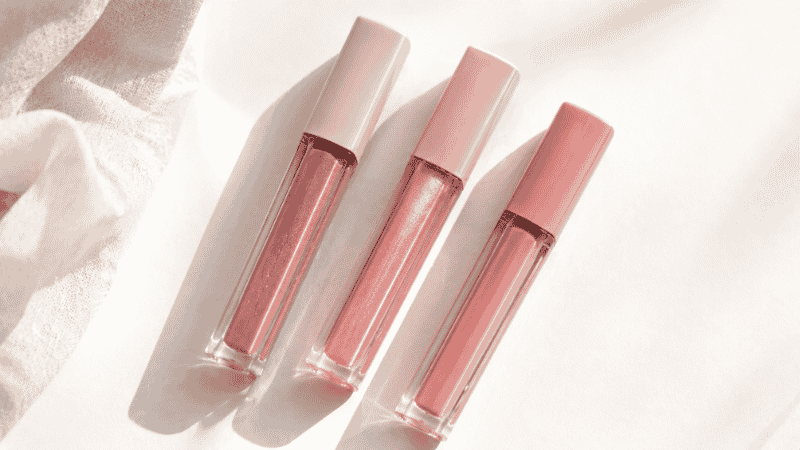
This step takes 10 seconds and makes you look like you tried.
For beginners, forget bold lip colors for now. A tinted lip balm or gloss is your best friend because it’s forgiving, requires no liner, and if it smudges, no one can tell.
Great affordable options:
- Maybelline Lifter Gloss (~$9) — plumping, shiny, tons of wearable shades
- e.l.f. Sheer Slick Lipstick (~$8) — moisturizing, almost like a lip balm with color
- NYX Butter Gloss (~$8) — cult favorite, smells incredible, very comfortable to wear
What If You Only Have 10 Minutes?

Real life doesn’t always allow for a full routine. Here’s the express version that still looks intentional:
- Moisturize while brushing your teeth (multitask like a pro)
- BB cream or tinted moisturizer instead of foundation — one product, less blending
- Concealer under your eyes only
- Mascara — one coat, 90 seconds
- Tinted lip balm — apply on the way out the door
Five minutes if you move fast. You’ll look awake and put together, which is usually all you need on a Tuesday morning.
Common Beginner Makeup Mistakes (And How to Fix Them)
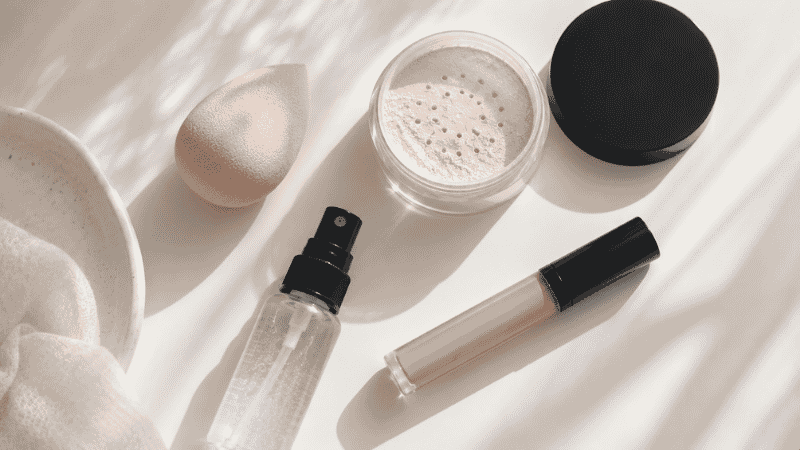
Your foundation looks cakey. You used too much product. Start with less next time and apply with a damp sponge instead of fingers.
Your concealer creases under your eyes. Set it with a tiny amount of translucent powder right after application. The NYX Can’t Stop Won’t Stop Setting Powder (~$14) or Coty Airspun Loose Face Powder (~$8) both work great.
Your makeup slides off by noon. You skipped moisturizer, or you need a setting spray. The e.l.f. Power Grip Primer (~$10) makes a huge difference for staying power.
Everything looks muddy or overdone. Less is more, especially at first. Build gradually rather than applying everything at max intensity on day one.
Your foundation is the wrong shade. Take it back. Most drugstores and Target accept returns on makeup, even opened. Don’t keep using a shade that doesn’t match — it will always look off.
FAQ: Real Questions Beginners Ask About Makeup
What makeup should I buy first as a beginner?
Start with: moisturizer, a tinted moisturizer or light foundation, concealer, mascara, and a lip gloss or tinted balm. These five products cover everything you need for a clean, everyday look without overwhelming your face or your wallet.
Do I need primer as a beginner?
Not immediately. Primer helps makeup last longer, but it’s optional at first. Start with moisturizer, get comfortable with the basics, then add primer once you’ve got a routine that feels natural.
How do I know my skin type for makeup?
Wash your face and wait 30 minutes without applying anything. If your skin looks shiny all over — oily. If it feels tight or flaky — dry. Shiny in the T-zone but normal elsewhere — combination. This matters because oily and dry skin need different foundations and setting techniques.
Can I wear makeup every day as a beginner?
Yes, as long as you remove it every night. Sleeping in makeup clogs pores and causes breakouts. A gentle micellar water or cleansing balm takes off everything in under two minutes — no scrubbing required.
Why does my foundation look different in photos than in real life?
This is usually a flashback issue — foundations with SPF can appear white or ashy in flash photography. If you’re taking a lot of photos, look for formulas labeled “no flashback” or apply SPF separately before foundation.
How long does a beginner makeup routine take?
With practice, a basic 5-step routine takes 10–15 minutes. When you’re just starting out, give yourself 20–25 minutes so you’re not rushing and making mistakes.
What’s the difference between BB cream and foundation?
BB cream is lighter, more sheer, and often includes SPF and moisturizers built in. Foundation provides more coverage and comes in a wider range of finishes and formulas. BB cream is an excellent starting point if full foundation feels like too much too soon.
You’ve Got This — Seriously
Makeup is a skill, not a talent. Nobody woke up knowing how to do a perfect wing or blend foundation seamlessly. The people who make it look effortless have just practiced — a lot.
Start with five products. Practice in good lighting. Expect the first few attempts to be imperfect, because they will be, and that’s completely normal. The goal isn’t a flawless Instagram face — it’s just feeling a little more like yourself when you walk out the door.
Once you’ve got this basic makeup tutorial for beginners down, keep exploring:
- How to Find Your Perfect Foundation Shade — the complete guide to shade matching at home
- Best Drugstore Makeup for Beginners Under $50 — everything we actually recommend, tested and honest
- 5-Minute Commute Makeup Routine — for mornings when life happens
And remember — every makeup artist you admire was once a beginner who had no idea what she was doing. You’re already one step ahead.