
What glass skin really is, why yours isn’t there yet, and the five steps that actually make a difference.
You’ve seen it everywhere — that impossibly smooth, luminous skin that looks like it’s been photoshopped even in real life. Clear, even, with a glow that seems to come from somewhere under the surface rather than sitting on top of it. Glass skin. The look that launched a thousand skincare routines and approximately as many bottles of essence.
And then you tried to get it yourself. You bought products. You followed a routine. And your skin looked… fine. Normal. Maybe slightly better than before, but not like that. Not like whoever you were looking at on your screen.
Here’s what most glass skin guides don’t tell you: the look isn’t achieved through a complex 12-step K-beauty routine. It’s achieved through one thing done consistently — hydration. Deep, layered, sustained hydration that over time makes your skin more even, more plump, and more reflective. The elaborate steps come after the basics. The basics are what most people skip.
This guide covers exactly how to get glass skin — what it actually requires, the five steps that matter, which affordable products to use, and how to create the glass skin effect with makeup on days when your skin needs a little help.
Key Takeaways
- Glass skin is primarily about deep hydration — not a specific product or a 10-step routine
- The single most impactful glass skin habit, according to skincare communities, is daily SPF — UV damage causes the uneven tone and texture that makes skin look dull
- Exfoliation 2-3 times per week removes the dead skin layer that makes skin look flat and prevents products from absorbing
- The glass skin effect can be created with makeup using a liquid highlighter mixed into foundation — even on days when your skin isn’t there yet
- A complete glass skin routine costs under $60 total at the drugstore
What Is Glass Skin?
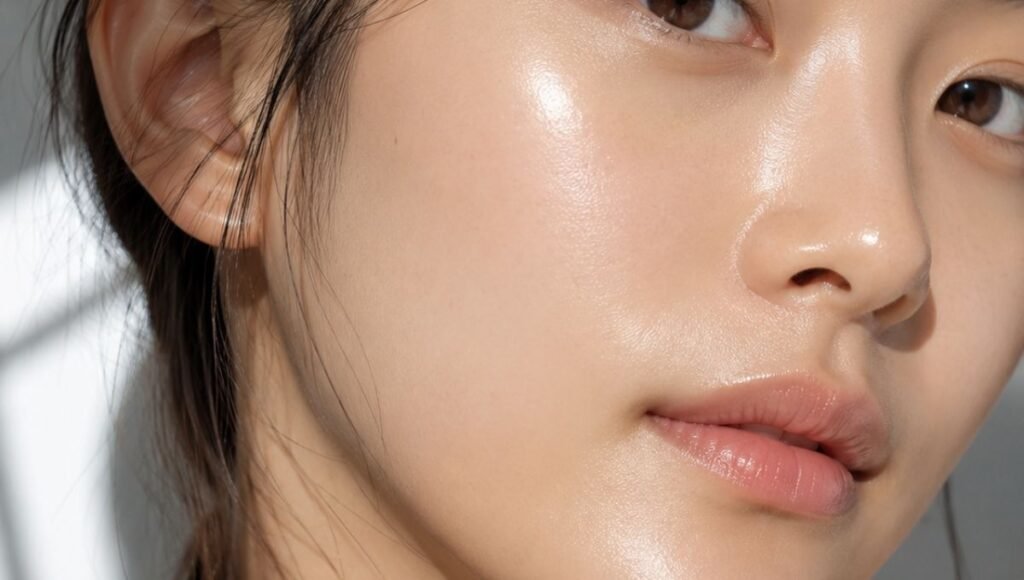
Glass skin is a Korean beauty term for skin that is so clear, smooth, and luminous that it resembles glass — reflective, even, with no visible texture, pores, or discoloration. It’s not about being pale or having a specific skin tone; it’s a texture and luminosity goal that works on every complexion.
The term went viral in Western beauty communities around 2018 and has since become one of the most searched skincare goals — partly because the result looks effortless and partly because it’s genuinely attainable for most people, just not overnight.
What glass skin actually requires:
- Even skin tone (fading dark spots and redness over time)
- Smooth texture (regular exfoliation)
- Deep hydration (the “plump from within” look)
- Intact skin barrier (no flaking, no tightness, no reactivity)
- Consistent SPF to prevent new damage
None of these things happen in a week. Most of them take 4-8 weeks of consistent effort to show visible results. That’s the realistic timeline that most viral glass skin tutorials don’t mention.
Editor’s note: The people whose glass skin you’re admiring on social media almost certainly have good lighting, a skincare routine they’ve been doing for months or years, and in many cases — a filter. That’s not discouraging; it’s clarifying. You’re not failing to achieve something you should have achieved already. You’re starting a process that takes time.
What Makes Skin Glow?
Before getting into the routine, it helps to understand the actual mechanics of why some skin glows and other skin doesn’t.
Hydration: Plump, well-hydrated skin cells reflect light more evenly than dehydrated skin cells, which are shrunken and create an uneven surface. This is why skin that’s genuinely hydrated looks luminous rather than shiny — the light bounces off evenly rather than pooling in certain spots.
Smooth texture: A layer of dead skin cells on the surface scatters light in all directions, creating a flat, matte appearance. When that layer is removed through exfoliation, the fresher skin underneath reflects light more directly and evenly.
Even tone: Dark spots, redness, and hyperpigmentation create an uneven surface that doesn’t reflect light consistently. As these fade (through vitamin C, SPF, and time), skin looks more luminous overall.
Intact skin barrier: A compromised skin barrier causes skin to look red, reactive, flaky, and dull — the opposite of glass skin. A healthy barrier, maintained through gentle products and consistent moisturizing, is what allows the glow to show through.
SPF: This is the one skincare communities consistently cite as the single biggest glass skin game-changer. UV exposure causes dark spots, uneven tone, and collagen breakdown — all of which make glass skin impossible. Consistent daily SPF prevents new damage and allows existing damage to fade.
How to Get Glass Skin: The 5-Step Routine
This is the simplified version — not a 12-step K-beauty routine, but the five steps that actually move the needle for most people.
Step 1: Double Cleanse at Night
Double cleansing — an oil-based cleanser first, then a water-based cleanser — removes sunscreen, makeup, and excess sebum that a single cleanse leaves behind. Leftover SPF in your pores overnight is one of the most consistent causes of clogged pores and dull skin.
Morning: Water rinse or gentle single cleanse only. Evening: Oil-based cleanser or cleansing balm → gentle gel cleanser.
Affordable picks:
- e.l.f. Holy Hydration! Makeup Melting Cleansing Balm (~$12) — first cleanse
- CeraVe Hydrating Facial Cleanser (~$14) — second cleanse
Step 2: Exfoliate 2-3 Times Per Week
Regular exfoliation removes the dead skin layer that makes skin look flat and prevents your other products from absorbing properly. For glass skin, chemical exfoliation (AHA or BHA) is more effective than physical scrubs, which can cause micro-tears.
AHA (glycolic or lactic acid): Better for dull, dry, or uneven skin — works on the skin’s surface to reveal fresher skin underneath.
BHA (salicylic acid): Better for oily or breakout-prone skin — penetrates into pores to clear congestion.
Use your exfoliant at night, 2-3 times per week. Not on the same nights as retinol.
Affordable picks:
- The Ordinary Glycolic Acid 7% Toning Solution (~$9) — for dull or uneven skin
- Paula’s Choice Skin Perfecting 2% BHA Liquid (~$35) — for oily or acne-prone skin
- The Ordinary Salicylic Acid 2% Solution (~$7) — budget BHA option
Step 3: Layer Hydration
This is the core of glass skin — and the step most Western skincare routines underdo. Layered hydration means applying multiple thin layers of water-based products rather than one thick layer of moisturizer.
The K-beauty approach uses a toner or essence before serum, adding a layer of lightweight hydration that the skin can absorb quickly, then building on top of it.
The simplified version:
- Hydrating toner (patted into skin with hands, not swept with a cotton pad)
- Hyaluronic acid serum on damp skin
- Moisturizer to seal everything in
Apply to slightly damp skin — hyaluronic acid specifically needs moisture present to work properly. If your skin is completely dry when you apply it, it can pull moisture from deeper layers rather than drawing it in.
Affordable hydration picks:
- Klairs Supple Preparation Unscented Toner (~$22) — hydrating toner, gentle
- The Ordinary Hyaluronic Acid 2% + B5 (~$9) — serum
- Neutrogena Hydro Boost Water Gel (~$18) — gel moisturizer that won’t feel heavy
Step 4: Vitamin C in the Morning
Vitamin C brightens existing dark spots, evens skin tone over time, and enhances SPF protection against UV damage. For glass skin, it’s one of the highest-impact additions you can make to your morning routine.
Apply after cleansing, before moisturizer and SPF. Use it consistently — the results take 4-6 weeks to become visible.
Affordable picks:
- The Ordinary Ascorbyl Glucoside Solution 12% (~$12) — stable, gentle form
- L’Oréal Revitalift 10% Pure Vitamin C Serum (~$30) — more widely available
Step 5: SPF Every Single Day
This cannot be overstated. UV exposure is responsible for the majority of the visible skin concerns that make glass skin hard to achieve: dark spots, uneven tone, loss of elasticity, enlarged pores. Skipping SPF while trying to achieve glass skin is like trying to fill a bathtub with the drain open.
Apply after moisturizer, every morning, regardless of whether you’re going outside. UVA rays penetrate windows and contribute to skin aging even on cloudy days.
Affordable picks:
- Neutrogena Clear Face Liquid Lotion SPF 55 (~$14) — for oily/combo skin
- CeraVe AM Facial Moisturizing Lotion SPF 30 (~$16) — moisturizer + SPF in one
- La Roche-Posay Anthelios Melt-In Milk SPF 60 (~$36) — all skin types
How to Get Glowing Skin Naturally (Without Makeup)
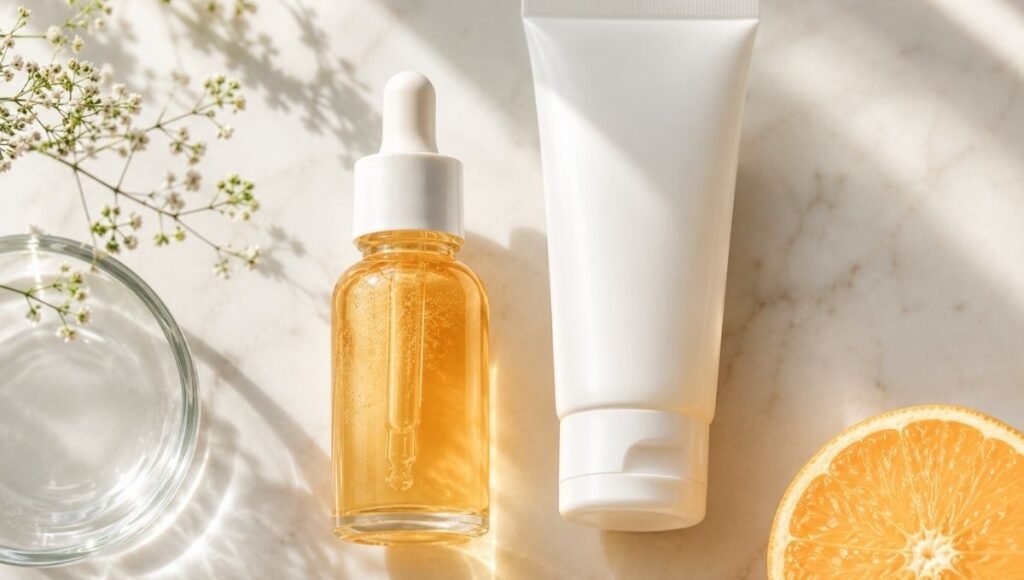
“Naturally” in this context means through skincare alone — no makeup, no filter, no lighting tricks.
The honest timeline: most people see a meaningful difference in skin texture and luminosity after 6-8 weeks of consistent double cleansing, exfoliation 2-3x weekly, layered hydration, vitamin C, and SPF. The changes are gradual — you often don’t notice them happening until you compare photos.
The habits that matter most (in order of impact):
1. SPF daily. The single change that skincare communities most consistently credit with their biggest skin transformations.
2. Consistent moisturization. Skin that is chronically dehydrated cannot achieve the plump, reflective look of glass skin regardless of what else you do.
3. Regular exfoliation. Dead skin cells are what separate “glowy” skin from “flat” skin. This step is non-negotiable.
4. Removing makeup and SPF properly. Leftover product overnight is the invisible reason many skincare routines fail to produce results.
5. Sleep. Skin repairs itself overnight. Chronic sleep deprivation visibly affects skin quality — dullness, puffiness, slower cell turnover. Not a skincare product can fully compensate for consistently poor sleep.
How to Get Dewy Skin
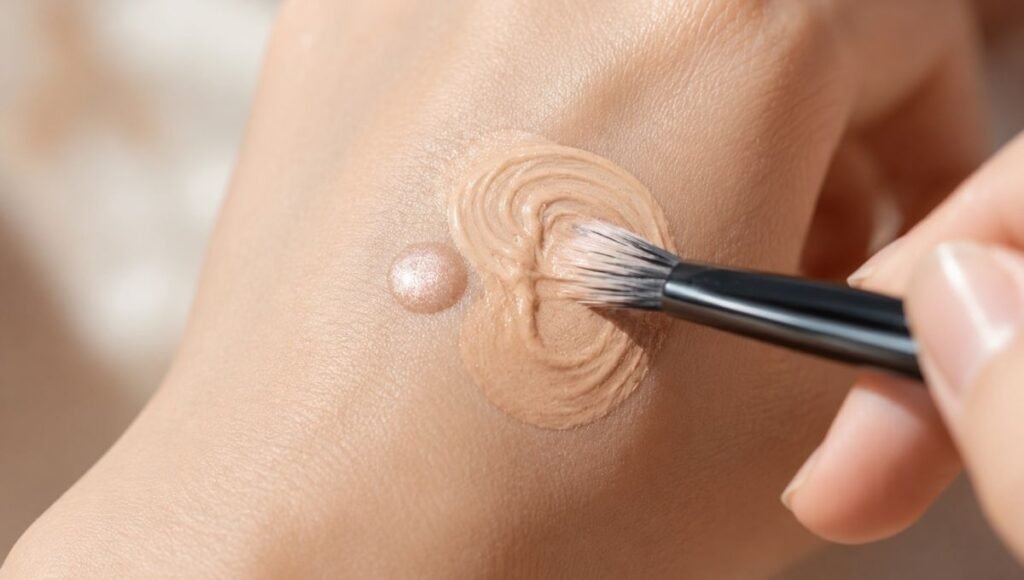
Dewy skin is a slightly different aesthetic than glass skin — where glass skin is about clarity and reflection, dewy skin is about a healthy, hydrated, “just moisturized” look with a soft glow rather than a mirror-like finish.
Dewy skin is also slightly more achievable for beginners because it doesn’t require the same level of skin clarity as glass skin — you can create it with the right products even before your skin is fully there.
Skincare for dewy skin:
- Prioritize humectant-rich products (hyaluronic acid, glycerin, aloe)
- Choose a dewy-finish moisturizer rather than gel or matte
- Add a facial mist throughout the day to refresh hydration
- Skip matte setting powder — use a hydrating setting spray instead
Makeup for dewy skin:
- Use a tinted moisturizer or dewy-finish foundation rather than matte
- Add a liquid highlighter to cheekbones and the bridge of the nose
- Skip powder if your skin allows it, or use only a small amount on the T-zone
How to Get Glowing Skin Overnight
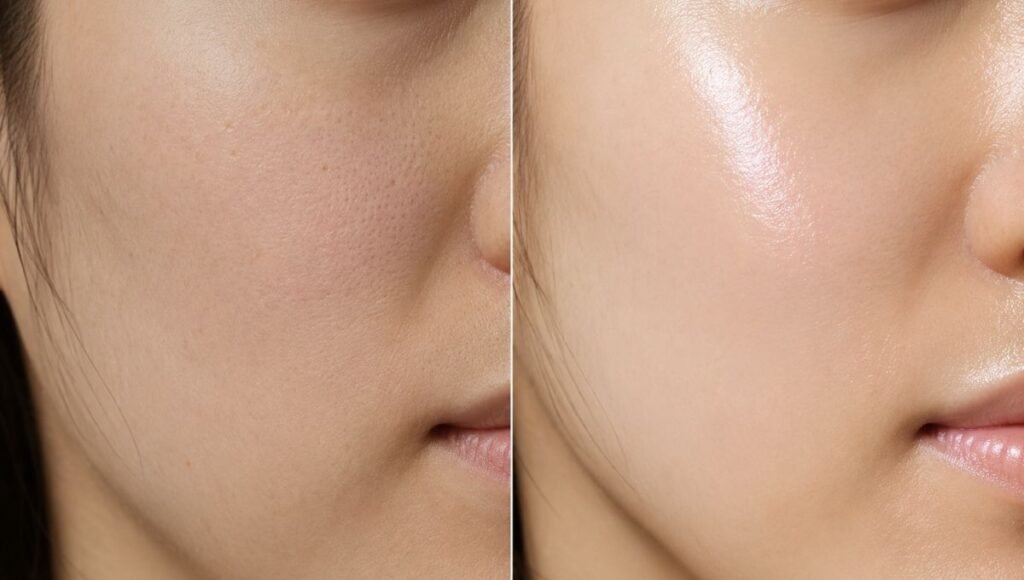
Overnight is where the most skin repair happens — and a few additions to your evening routine can accelerate visible results.
The overnight glow routine:
Double cleanse thoroughly. Going to bed with clean skin is the foundation of everything.
Apply a treatment product (retinol or AHA). Cell turnover peaks overnight. This is when treatment products work most effectively.
Layer hydration generously. Apply slightly more hyaluronic acid and moisturizer than you would during the day — overnight is when you can afford to go richer.
Consider slugging. A thin layer of Vaseline over your moisturizer as the final step creates an occlusive seal that prevents overnight water loss. Wake up with noticeably softer, plumper skin.
Sleep on a clean pillowcase. Oil, bacteria, and old product residue on your pillowcase work against everything you just applied. Washing your pillowcase once a week or flipping it every few days makes a visible difference.
How to Get the Glass Skin Effect with Makeup
On days when your skin isn’t quite where you want it yet — or when you want to enhance the glow you’ve already built — makeup can create a very convincing glass skin effect.
The technique:
Step 1: Apply your skincare routine and SPF as normal. Let everything absorb.
Step 2: Mix one or two drops of liquid highlighter (the e.l.f. Halo Glow ~$14 works perfectly here) into your foundation or tinted moisturizer before applying.
Step 3: Apply with fingers, pressing into the skin rather than swiping. This gives the most skin-like, blended finish.
Step 4: Skip powder entirely, or apply only the tiniest amount to the T-zone if you’re concerned about shine.
Step 5: Apply a liquid or cream highlighter to the tops of the cheekbones and the bridge of the nose with your fingertip.
Step 6: Finish with a dewy setting spray.
The result looks like glass skin rather than “makeup trying to look like glass skin” — because you’re using sheer products applied with your hands, not building up layers of product that sit on the skin.
Skincare Routine for Glowing Skin on a Budget
Complete glass skin routine, all drugstore, total cost under $60:
- e.l.f. Cleansing Balm (~$12) — evening first cleanse
- CeraVe Hydrating Facial Cleanser (~$14) — daily cleanser
- The Ordinary Glycolic Acid 7% Toning Solution (~$9) — 2-3x weekly exfoliant
- The Ordinary Hyaluronic Acid 2% + B5 (~$9) — serum
- Neutrogena Hydro Boost Water Gel (~$18) — moisturizer
- CeraVe AM Moisturizing Lotion SPF 30 (~$16) — morning SPF + moisturizer
Total: ~$78 — but you don’t need all of these immediately. Start with cleanser, moisturizer, and SPF. Add the others one at a time over the following weeks.
FAQ
What is glass skin?
Glass skin is a Korean beauty term for skin that is so smooth, clear, and luminous that it resembles glass. It’s characterized by even tone, minimal visible texture or pores, deep hydration, and a reflective glow. It’s achieved through consistent skincare — primarily hydration, SPF, and regular exfoliation — over several weeks to months.
How long does it take to get glass skin?
Most people see a meaningful difference in 6-8 weeks of consistent routine. Visible changes in tone and texture take longer — 3-6 months for significant improvement. Glass skin isn’t a transformation that happens in a week; it’s a condition you build over time.
What is the most important step for glass skin?
Daily SPF, according to most skincare communities. UV damage causes the uneven tone, dark spots, and texture that make glass skin hard to achieve. Consistent sun protection prevents new damage and allows existing damage to fade.
How do you get dewy skin vs glass skin?
Dewy skin is softer and more achievable — a healthy, hydrated glow. Glass skin is more intense — extremely clear and reflective, almost mirror-like. Both require hydration and SPF; glass skin additionally requires more significant work on texture and tone. Start with dewy skin as your first goal and build toward glass skin over time.
Can you get glass skin without an expensive routine?
Yes. The most impactful glass skin steps — SPF, consistent moisturizing, regular exfoliation, double cleansing — are all achievable with drugstore products under $20 each. Expensive serums and essences add to the routine but aren’t what creates the foundation of glass skin.
Glass Skin Is a Destination, Not a Shortcut
It’s built consistently, over months, through habits more than products. SPF every day. Thorough cleansing every night. Hydration layers in the morning. Exfoliation two or three times a week. These aren’t exciting steps — they’re the unglamorous foundation that the glow builds on.
Start there. Stay consistent. Add products as your routine stabilizes and your skin responds. And on days when you want the look immediately — the liquid highlighter mixed into your foundation trick works every time.
Keep building on MyColorKiss:
- Morning Skincare Routine — build the AM routine that supports your glass skin goal
- Night Skincare Routine — the evening repair steps that do most of the heavy lifting
- Natural Makeup Look Tutorial — how to create the glass skin makeup effect
- Does Sunscreen Prevent Tanning — everything about the SPF step that matters most
And remember — real glass skin takes time. The people whose skin you’re admiring have been doing this consistently, quietly, for longer than the viral video suggested.
References: Pilkington SJ, et al. Ageing and the skin barrier: Optimal use of moisturisers. Clinical Dermatology. 2021;39(5):726-733. Telang PS. Vitamin C in dermatology. Indian Dermatology Online Journal. 2013;4(2):143-146.