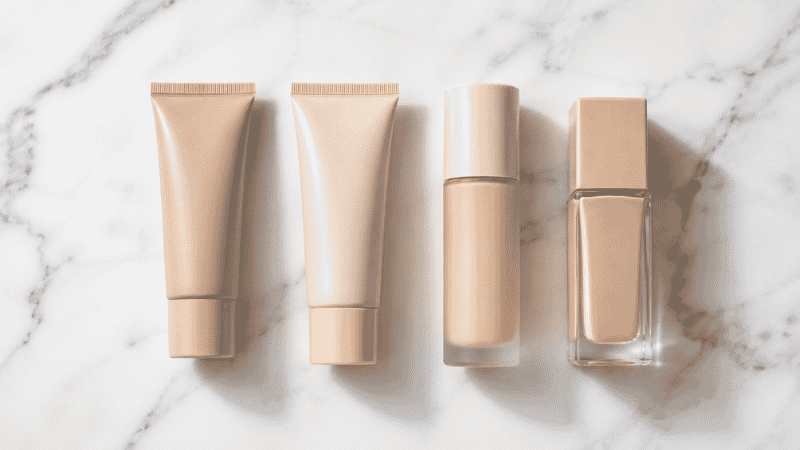
Plus: what BB cream and CC cream actually are, and how to pick the right one for your skin type.
You’re standing in the drugstore beauty aisle, looking at approximately 47 different base products, trying to figure out the difference between a tinted moisturizer, a BB cream, a CC cream, and a foundation. They’re all in the same general color family. They all go on your face. The descriptions are annoyingly vague. And you genuinely cannot tell if any of them are meaningfully different or if the beauty industry just invented different names to sell you the same thing four times.
Here’s the honest answer: they are genuinely different, and which one works best for you depends almost entirely on what you want your skin to look like and how much coverage you need. The tinted moisturizer vs foundation question isn’t really about which one is better — it’s about which one is better for your specific situation on any given day.
This guide cuts through the confusion. It explains exactly what each product is, who each one works best for, and — most importantly — tells you which one to reach for based on your skin type, coverage needs, and how much effort you want to put in on any given morning.
Key Takeaways
- Tinted moisturizer = sheer coverage + hydration + SPF, looks most like bare skin
- BB cream = slightly more coverage than tinted moisturizer, often includes skincare benefits
- CC cream = similar coverage to BB, specifically formulated to correct redness or discoloration
- Foundation = the most coverage, widest shade range, most options for finish and skin type
- For most beginners wanting a natural everyday look: tinted moisturizer or BB cream is the better starting point — foundation can come later
What Is Tinted Moisturizer?
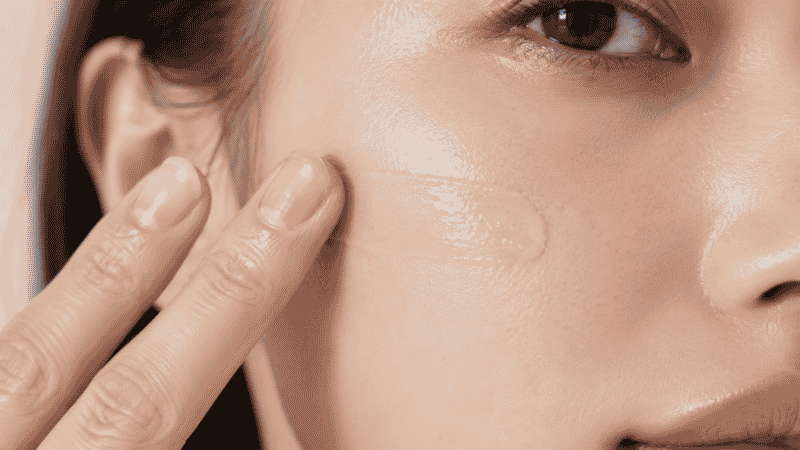
A tinted moisturizer is exactly what it sounds like: a moisturizer with a small amount of pigment added. It’s the most sheer, most lightweight option in the base makeup category.
What it does well: evens out minor skin tone variations, adds a subtle glow, hydrates skin, and often includes SPF. What it doesn’t do: cover blemishes, significant redness, or dark spots. If you have visible skin concerns you want to minimize, tinted moisturizer alone won’t be enough.
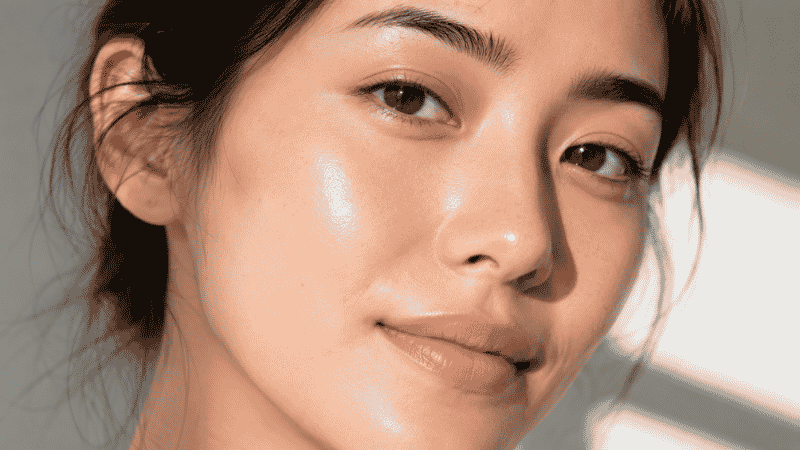
The finish is almost always dewy or natural — it enhances your skin rather than covering it. If you have good skin days and want something that just makes your face look a little more even and radiant, tinted moisturizer is the product for that.
Also called: skin tint, tinted serum, complexion tint
Best for: Good skin days, natural makeup looks, people who find foundation too heavy, anyone who wants the “I woke up like this” effect
Editor’s note: Tinted moisturizer was my gateway product into base makeup. I wore nothing for years, then found tinted moisturizer, and realized I could look polished without looking made-up. It changed how I thought about base products entirely.
What Is BB Cream?
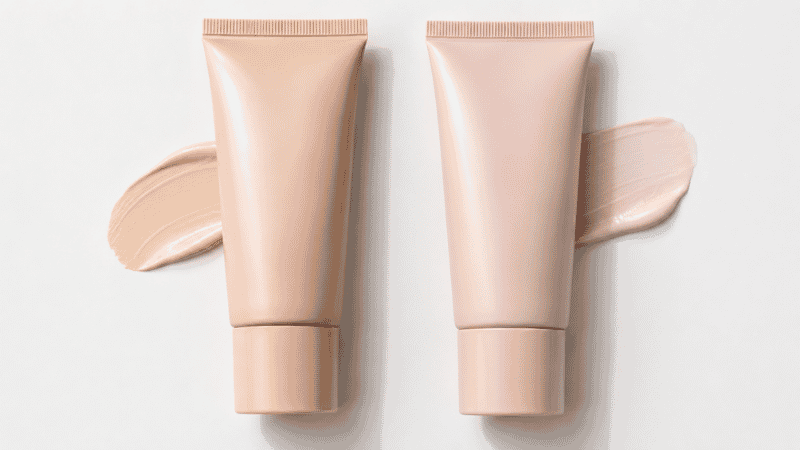
BB cream stands for “beauty balm” or “blemish balm” — it originated in Korean beauty as a multi-tasking product that sits between skincare and makeup. Think of it as a step up from tinted moisturizer: slightly more pigment, slightly more coverage, and often marketed with additional skincare benefits like anti-aging ingredients, SPF, and hydration.
In practical terms, BB cream covers more than a tinted moisturizer but less than a foundation. It can handle light to moderate skin tone unevenness and minor redness, but it won’t fully cover significant blemishes or deep discoloration.
The finish varies by formula but is generally natural to slightly dewy. It’s more forgiving than foundation for beginners because the sheerer coverage is more difficult to apply incorrectly.
Best for: Everyday wear, beginners who want a bit more coverage than tinted moisturizer, skin tone unevenness, light to moderate redness
Affordable picks:
- Maybelline Dream Fresh BB Cream (~$8) — lightweight, SPF 30 included, good for all skin types
- Garnier SkinActive BB Cream (~$8) — moisturizing, natural finish, easy to apply
- NYX Bare With Me Tinted Skin Veil (~$10) — very lightweight, buildable, excellent natural finish
What Is CC Cream?
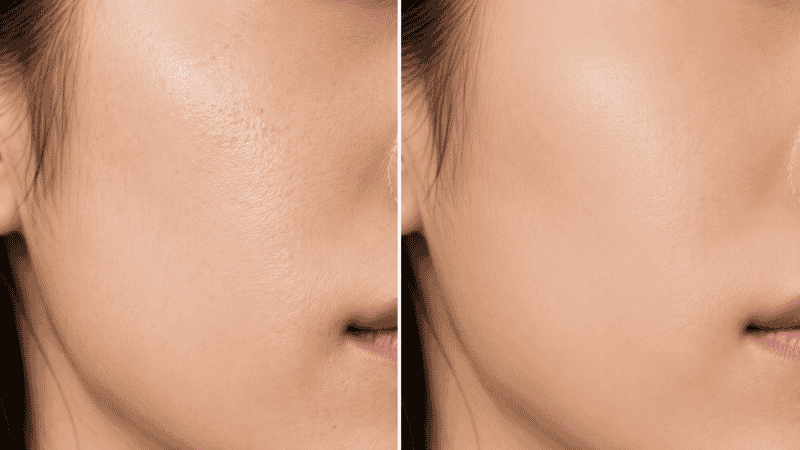
CC cream stands for “color correcting” cream. The main difference from BB cream is that CC creams are specifically formulated to address discoloration — redness, sallowness, or uneven tone — rather than just adding coverage.
In practice, the line between BB and CC cream is blurry. Both sit in a similar coverage zone (more than tinted moisturizer, less than foundation), and many CC creams also include SPF and skincare ingredients. The key differentiator is that CC creams typically contain color-correcting technology — adapting to your skin tone or counteracting specific discoloration.
Best for: Skin with redness, rosacea-prone skin, uneven skin tone with warm or cool casting, anyone who finds BB creams too neutral
Affordable picks:
- IT Cosmetics Your Skin But Better CC+ Cream with SPF 50 (~$40) — technically not drugstore but widely recommended, excellent coverage and SPF
- Garnier SkinActive Clearly Correcting CC Cream (~$11) — more accessible, good for light coverage with correcting benefits
BB Cream vs CC Cream: What’s the Difference?
Honestly? Less than the marketing would have you believe.
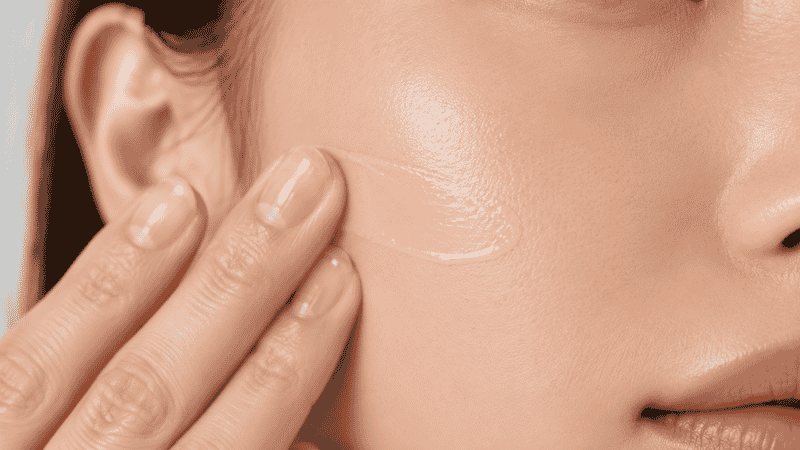
In the original Korean beauty context, BB creams were all-purpose multi-taskers and CC creams were specifically for color correction. In the US market, the distinction has become murkier — many BB creams include color correcting ingredients and many CC creams function identically to BB creams.
The practical guide:
- If your main concern is general skin tone evening and a natural finish → BB cream
- If your main concern is redness, sallowness, or a strong warm/cool cast → CC cream
- If you’re not sure → pick whichever one has a formula that suits your skin type (oily skin: look for mattifying; dry skin: look for hydrating)
Both give you roughly the same coverage level. Neither requires the kind of precise application that foundation does.
Tinted Moisturizer vs Foundation: The Real Difference
This is the comparison that actually matters for most people making a decision.
Tinted moisturizer:
- Sheer to light coverage
- Dewy, natural finish
- Usually includes SPF and hydration
- Applied with fingers in under a minute
- Skin texture still visible underneath
- Fewer shade options
- Won’t cover blemishes or significant redness
Foundation:
- Light to full coverage depending on formula
- Multiple finish options: matte, satin, dewy
- Wider shade range — easier to match precisely
- Usually applied with sponge or brush
- Can cover most skin concerns with proper application
- No built-in SPF in most formulas (apply separately)
- Takes more technique to apply well
Which one is actually better? Neither — it depends entirely on what you want. On days when your skin looks good and you want a natural result: tinted moisturizer. On days when you want more coverage, have skin concerns to minimize, or want your makeup to last longer: foundation.
Most experienced makeup wearers own both and choose based on the day. As a beginner, start with tinted moisturizer or BB cream — they’re significantly more forgiving — and add foundation to your kit once you’re comfortable with base application.
Tinted Moisturizer for Oily Skin: Does It Work?
Yes — but formula matters.
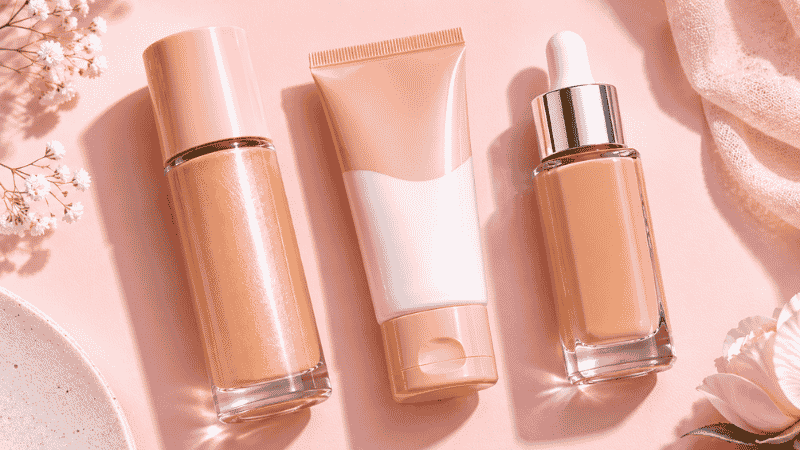
The concern with oily skin and tinted moisturizer is that the extra hydration will make already-oily skin shinier. This is a valid concern with some formulas, particularly thick, cream-based tinted moisturizers. But many tinted moisturizers are formulated specifically for oily skin — lightweight, oil-free, and with a natural to slightly matte finish.
What to look for on the label:
- “Oil-free” or “mattifying”
- Gel or water-based formula
- Non-comedogenic
What to avoid:
- Cream-heavy formulas with shea butter or heavy oils as primary ingredients
- Anything labeled “dewy” or “luminous” (these enhance shine)
Drugstore picks for oily skin:
- e.l.f. Halo Glow Liquid Filter (~$14) — despite the “glow” name, the lighter shades work beautifully for oily skin without looking greasy
- Neutrogena SkinClearing Blemish Concealing Makeup (~$14) — mattifying, non-comedogenic, good for oily and acne-prone skin
- Maybelline Dream Fresh BB Cream (~$8) — lightweight, oil-free, good everyday option for oily skin
Set with a light dusting of translucent powder after application to extend wear and control shine throughout the day.
How to Apply Tinted Moisturizer
This is one of the easier base products to apply — which is part of why it’s such a good starting point for beginners.
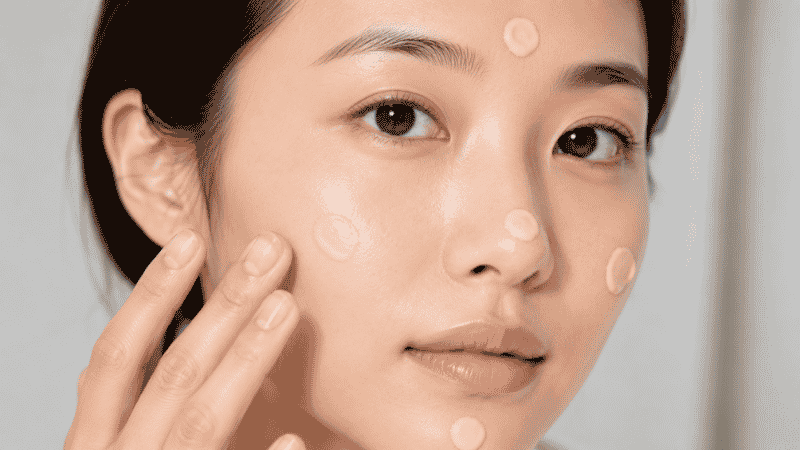
With fingers: The warmest, most natural-looking application method. Dot a small amount on your forehead, cheeks, nose, and chin. Press and blend inward using tapping motions. Work quickly — tinted moisturizer sets faster than foundation.
With a damp sponge: More even coverage and slightly more polished finish. Same technique as foundation — bounce rather than drag.
What not to do: Don’t apply too much at once. Tinted moisturizer is sheer by design; layering more doesn’t give you more coverage so much as it gives you more product sitting on your skin. If you want more coverage, add a targeted concealer over the tinted moisturizer.
Does Tinted Moisturizer Replace Moisturizer?
Technically yes, if the formula is moisturizing enough for your skin. Many tinted moisturizers contain hydrating ingredients (hyaluronic acid, glycerin, SPF) that adequately substitute for a separate moisturizer step.
However: If you have dry skin, most tinted moisturizers won’t provide enough hydration on their own. Apply your regular moisturizer first, let it absorb, then apply tinted moisturizer on top.
Does tinted moisturizer replace SPF? Only if the SPF level is SPF 30 or higher and you apply enough product to get that protection. Most people apply tinted moisturizer far more sparingly than they’d apply a dedicated sunscreen — which means the actual SPF protection is lower than the label suggests. If sun protection is your priority, apply a dedicated SPF underneath.
Tinted Moisturizer vs Foundation: Which to Choose
Choose tinted moisturizer or BB cream if:
- You’re a beginner who wants a natural, low-effort look
- Your skin is in good condition with minor tone unevenness
- You prefer a “no-makeup makeup” or skin-first aesthetic
- You have dry skin and want something hydrating
- You want SPF built into your base product
- You have less than 5 minutes for your base
Choose foundation if:
- You want more coverage for blemishes, redness, or uneven tone
- You want to precisely match your skin tone (foundation has more shades)
- You want your makeup to last all day with minimal touch-ups
- You prefer a matte or fully satin finish
- You’re comfortable with slightly more complex application
The beginner recommendation: Start with a tinted moisturizer or BB cream. Master the application, understand how much you like having something on your face, and then decide if you want the additional coverage that foundation provides. Most people end up using both — tinted moisturizer for casual and no-makeup days, foundation for events or days when more coverage is wanted.
Drugstore Tinted Moisturizer Worth Buying
All under $15, all widely available:
- e.l.f. Halo Glow Liquid Filter (~$14) — the most talked-about drugstore skin tint, luminous finish, several shades
- Maybelline Dream Fresh BB Cream SPF 30 (~$8) — lightweight, oil-free, good for all skin types
- Neutrogena Healthy Skin Blurring Longwear Foundation (~$14) — sits between tinted moisturizer and foundation in coverage
- L’Oréal True Match Tinted Serum (~$14) — very lightweight, SPF 20 included, serum-like texture
- Covergirl Clean Fresh Skin Milk (~$10) — gentle formula, good for sensitive skin, natural finish
FAQ
Is tinted moisturizer better than foundation?
Neither is objectively better — they serve different purposes. Tinted moisturizer gives sheer, natural coverage with hydration and often SPF. Foundation gives more coverage, a wider shade range, and more control over finish. For beginners wanting a natural look: tinted moisturizer. For more coverage: foundation.
What is the difference between BB cream and tinted moisturizer?
BB cream typically offers slightly more coverage than tinted moisturizer and is often marketed with additional skincare benefits. Tinted moisturizer is the most sheer option — closest to bare skin. Both are significantly lighter than foundation.
Can I wear tinted moisturizer without foundation?
Absolutely. Tinted moisturizer is a complete base product on its own — you don’t need to layer foundation on top. Add concealer for spots that need more coverage and you have a complete base.
Does tinted moisturizer cover acne?
No — tinted moisturizer provides sheer coverage that evens out skin tone but doesn’t conceal blemishes. For acne coverage, use a dedicated concealer over your tinted moisturizer on specific spots.
Is BB cream or foundation better for beginners?
BB cream is more forgiving for beginners — the sheer-to-medium coverage is harder to apply incorrectly, it’s more hydrating, and mistakes are easier to blend out. Foundation requires slightly more technique but gives more coverage. Start with BB cream, move to foundation when you want more control.
The Right Base Product Is the One You’ll Actually Use
The most sophisticated base in the world doesn’t outperform a simple tinted moisturizer applied consistently and confidently. Start with what feels approachable. A tinted moisturizer or BB cream applied with your fingers in 60 seconds is a complete, polished everyday base.
Add foundation to your kit when you want more — more coverage, more longevity, more control. Until then, tinted moisturizer and BB cream do exactly what they’re supposed to do: make your skin look like a better version of itself.
Keep exploring on MyColorKiss:
- How to Apply Foundation for Beginners — when you’re ready to graduate to foundation
- Natural Makeup Look Tutorial — building a full look on a tinted moisturizer base
- Skincare Routine for Beginners — the skin prep that makes any base look better
- Does Sunscreen Prevent Tanning — why the SPF in your tinted moisturizer might not be enough
And remember — there’s no wrong answer here. The product you reach for on a Tuesday morning that takes two minutes and makes you feel put-together is the right one.