
What actually causes breakouts, what actually clears them, and why less is almost always more.
You’ve tried the trending serums. You’ve done the elaborate routines. You’ve religiously applied the spot treatment, drank the water, washed your pillowcase. And somehow, your skin still isn’t where you want it to be. There’s always something — a cluster of breakouts before an important week, texture that won’t quit, pores that seem to get more visible the more products you throw at them.
Here’s what’s probably happening: most “clear skin” advice is written by brands with products to sell. The result is guides that recommend six active ingredients, a 10-step routine, and a different product for every concern. And when you pile all of that onto your skin at once, your skin barrier breaks down, your skin gets reactive and inflamed, and you end up with more breakouts, not fewer.
The path to clear skin is usually simpler than you’ve been led to believe. It’s about a consistent, minimal routine, the right two or three ingredients for your specific concern, and enough patience to let your skin actually respond. This guide covers exactly that — with products you can find at the drugstore for under $20.
Key Takeaways
- Consistency beats complexity — a simple 3-step routine done every day beats a 10-step routine done sporadically
- Salicylic acid is the most effective over-the-counter ingredient for acne and clogged pores — and it costs under $10
- Introducing too many active ingredients at once is one of the most common reasons skin gets worse, not better
- Makeup doesn’t cause acne if you use non-comedogenic formulas and remove it properly every night
- Most skin concerns respond to a proper routine within 4-8 weeks — not 4-8 days
What Actually Causes Breakouts (It’s Not Always What You Think)
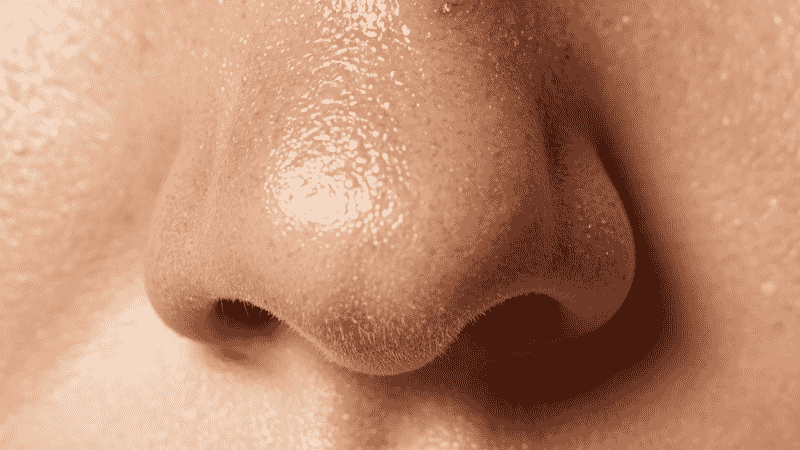
Before building a routine, it helps to understand what you’re actually dealing with — because the cause of your breakouts determines which products will actually help.
Acne forms when a pore gets clogged with a combination of dead skin cells and sebum (the natural oil your skin produces). That clog becomes a whitehead (closed), blackhead (open), or an inflamed pimple depending on whether bacteria get involved and how your skin responds.
The common triggers that most guides underemphasize:
Over-cleansing or using harsh products. When you strip your skin’s natural oils with aggressive cleansers or use too many active ingredients at once, your skin’s barrier breaks down. A compromised barrier is more prone to inflammation, more reactive to everything, and often breaks out more. The urge to scrub your skin “clean” is understandable but usually counterproductive.
Hormones. Hormonal fluctuations — around your period, during stress, or due to contraceptive changes — directly stimulate sebum production. According to research published in the Journal of Clinical and Aesthetic Dermatology, hormonal acne typically appears along the jawline and chin and responds slowly to topical treatments alone. If your breakouts are primarily hormonal, skincare helps but may not fully resolve the issue — a dermatologist conversation about hormonal options may be worth having.
Not removing makeup and SPF properly. Sunscreen especially doesn’t fully come off with a single cleanse. Leftover sunscreen in pores overnight is a very common and very underacknowledged cause of clogged pores.
Sleeping on an unwashed pillowcase. Oil, skincare residue, and bacteria accumulate on pillowcases within a few days. Washing your pillowcase once a week — or flipping it to a clean side every 2-3 days — makes a measurable difference for breakout-prone skin.
Editor’s note: In my experience, the two changes that make the fastest visible difference for most people are: switching to a gentler cleanser and washing their pillowcase more often. Neither costs anything extra. Both consistently produce noticeable results within two weeks.
How to Get Clear Skin: The Simple Routine That Works
Here’s the baseline routine that addresses the most common clear skin concerns without overwhelming your skin.
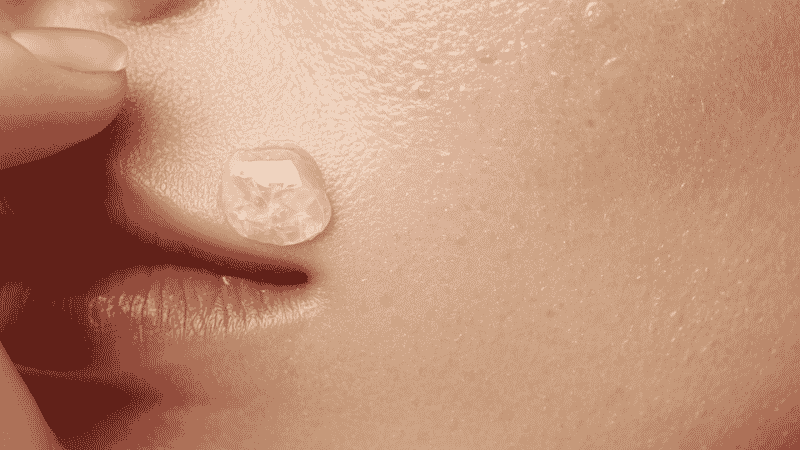
Step 1: Gentle cleanser twice a day
The goal of cleansing is to remove excess oil, sweat, makeup, and SPF — not to “deep clean” or strip. A cleanser that leaves your skin feeling tight is doing more harm than good, regardless of your skin type.
For breakout-prone skin, a gel cleanser with salicylic acid is ideal in the evening to help prevent pore clogging. In the morning, a gentle, non-medicated cleanser is sufficient — you don’t need active ingredients twice a day if your skin is sensitive.
Best drugstore options:
- Neutrogena Oil-Free Acne Wash (~$9) — contains 2% salicylic acid, good for oily and acne-prone skin
- CeraVe Foaming Facial Cleanser (~$14) — gentle, ceramide-containing, works well for normal to oily skin
- La Roche-Posay Effaclar Purifying Foaming Gel (~$15) — specifically formulated for oily and acne-prone skin
Step 2: Targeted treatment (one active ingredient at a time)
This is where most beginners go wrong. They layer salicylic acid, benzoyl peroxide, retinol, niacinamide, and vitamin C all at once, and then wonder why their skin is red, irritated, and breaking out more than ever.
Pick one active ingredient based on your main concern and use it consistently for 6-8 weeks before evaluating. Here’s how to choose:
For clogged pores and blackheads: Salicylic acid (BHA). Oil-soluble, gets into pores and dissolves the buildup that causes blackheads. Use 2-3x per week to start. The Ordinary Salicylic Acid 2% Solution (~$7) or Paula’s Choice Skin Perfecting 2% BHA Liquid (~$35).
For active pimples: Benzoyl peroxide. Kills the bacteria that turn a clogged pore into an inflamed breakout. Start with 2.5% — it’s as effective as higher percentages with less irritation. Neutrogena On-the-Spot Acne Treatment (~$8) or Clean & Clear Persa-Gel 10 (~$7).
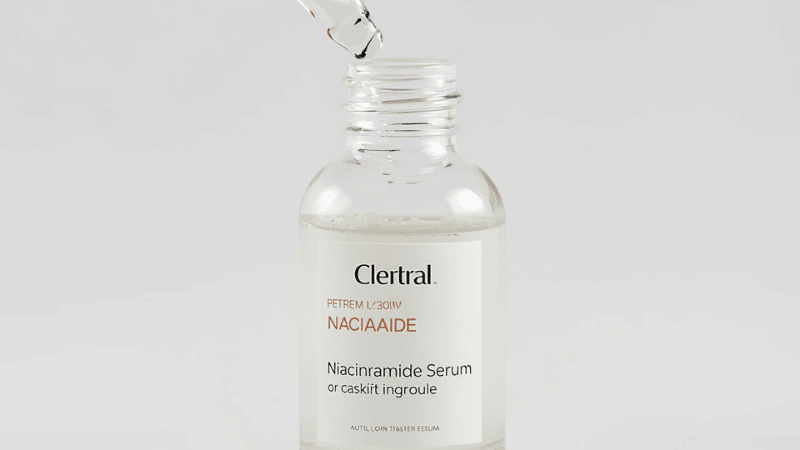
For overall skin texture and tone: Niacinamide. Regulates oil production, reduces pore appearance, evens skin tone, reduces redness. Gentle enough to use daily. The Ordinary Niacinamide 10% + Zinc 1% (~$7).
For long-term skin renewal: Retinol. Increases cell turnover, prevents pore clogging, reduces post-acne marks over time. Start once a week, build slowly. Differin Adapalene Gel 0.1% (~$14) — this is a prescription-strength retinoid that’s now available OTC in the US and is genuinely one of the most effective acne treatments you can buy without a prescription.
Step 3: Moisturizer (yes, even for oily and acne-prone skin)
This gets its own emphasis because it’s the step most acne-prone people skip — and skipping it makes acne worse. Dehydrated skin overproduces oil to compensate, and a compromised skin barrier is more prone to breakouts and inflammation.
Choose an oil-free, non-comedogenic gel moisturizer for oily or acne-prone skin.
- Neutrogena Hydro Boost Water Gel (~$18) — hyaluronic acid-based, oil-free, absorbs quickly
- CeraVe PM Facial Moisturizing Lotion (~$16) — non-comedogenic, ceramide-containing, excellent for post-active-treatment recovery
- e.l.f. Holy Hydration! Face Cream (~$12) — lightweight, affordable, non-comedogenic
Step 4: SPF every morning
Sun exposure worsens post-acne marks (hyperpigmentation) by stimulating more melanin production in already-inflamed skin. Every dark spot from a past breakout becomes significantly more prominent and lasts significantly longer if you’re not wearing SPF. This is not optional for clear skin.
- Neutrogena Clear Face Liquid Lotion Sunscreen SPF 55 (~$14) — specifically formulated to not clog pores
- EltaMD UV Clear SPF 46 (~$39) — contains niacinamide, excellent for acne-prone skin, worth the splurge
How to Get Clear Skin Fast (The Realistic Version)
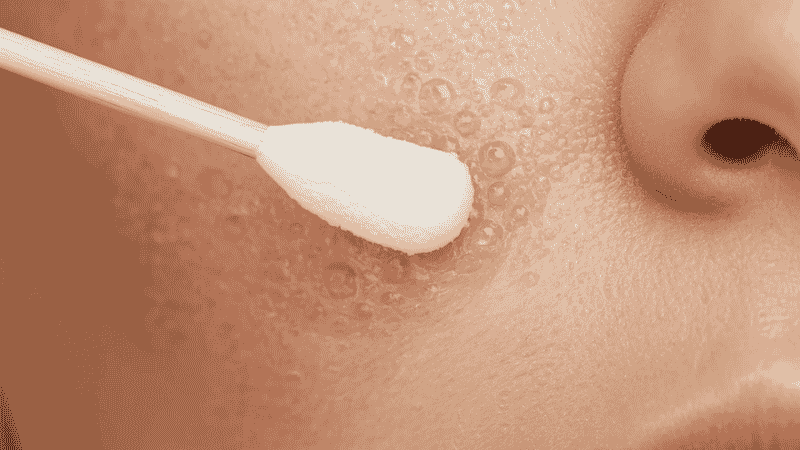
“Fast” is relative with skin — nothing topical clears skin overnight, and anyone telling you otherwise is selling something. But here’s what genuinely accelerates the process:
Start with just the basics. Cleanser, moisturizer, SPF. No actives. Give your skin barrier one week to stabilize if it’s been reactive or over-treated. Then introduce one active ingredient.
Use a spot treatment the moment you feel a pimple forming. Catching a breakout before it surfaces — when you feel that under-the-skin tenderness — gives topical treatments the best chance of working. Apply benzoyl peroxide or a salicylic acid spot treatment to the area immediately.
Don’t pick. This is the advice everyone knows and almost nobody follows, because picking is genuinely hard not to do. But picking extends healing time, increases inflammation, and causes the post-acne marks that take months to fade. Ice on a deep pimple reduces inflammation without the damage.
Change your pillowcase. Once a week minimum. It costs nothing and makes a real difference.
Does Makeup Cause Acne?
Short answer: not if you’re using non-comedogenic formulas and removing it properly.
The idea that wearing makeup causes breakouts is largely a myth — or more accurately, it’s a product-quality and removal issue, not a makeup-wearing issue. Non-comedogenic makeup (labeled as such) is formulated to not clog pores. Makeup that sits on your skin overnight — any makeup, including “natural” or “clean” formulas — can contribute to clogged pores.
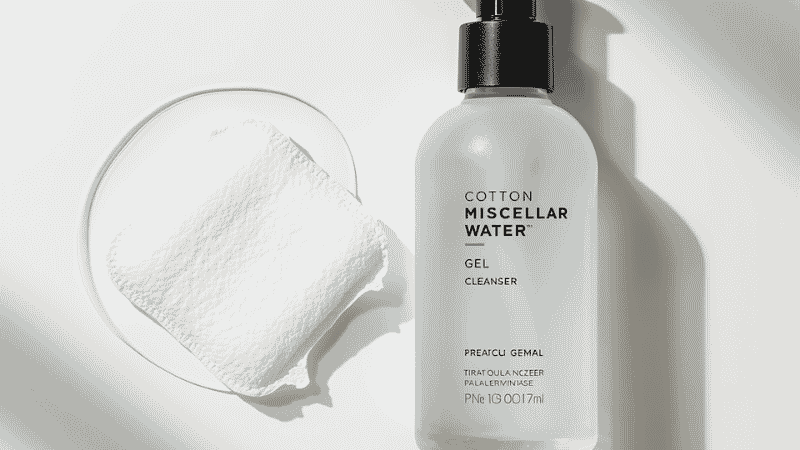
The routine: at the end of every day, remove makeup and SPF with a micellar water or cleansing oil first, then follow with your regular cleanser. Two steps, every night, no exceptions. This is the single most impactful thing you can do for breakout-prone skin if you wear makeup regularly.
Non-comedogenic makeup options for acne-prone skin:
- Maybelline Fit Me Matte + Poreless Foundation (~$8) — specifically designed for oily, acne-prone skin, non-comedogenic
- e.l.f. Halo Glow Liquid Filter (~$14) — lightweight skin tint, non-comedogenic
- NYX Can’t Stop Won’t Stop Full Coverage Foundation (~$14) — non-comedogenic, good coverage for blemishes
How to Fade Post-Acne Marks (Hyperpigmentation)
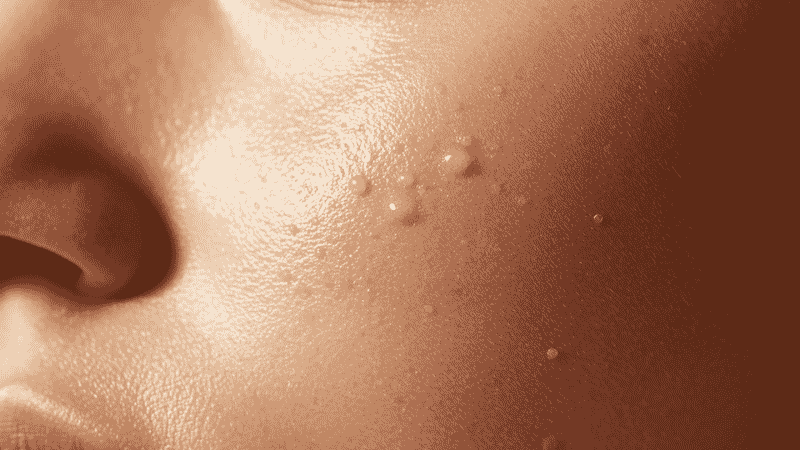
Getting clear skin is one challenge; getting rid of the marks that breakouts leave behind is another. Post-acne marks (technically post-inflammatory hyperpigmentation) are flat dark spots that form after a pimple heals. They’re not scars — they fade on their own — but they take months without intervention.
What actually speeds up fading:
SPF, always. UV exposure darkens existing marks and prevents them from fading. SPF is the single most effective thing you can do for hyperpigmentation.
Vitamin C serum. Vitamin C is an antioxidant that inhibits melanin production and brightens existing dark spots. Apply in the morning before SPF. The Ordinary Ascorbyl Glucoside Solution 12% (~$12) is a stable, beginner-friendly vitamin C that doesn’t oxidize quickly.
AHA exfoliant. Glycolic or lactic acid speeds up cell turnover, bringing fresh skin to the surface faster. The Ordinary Glycolic Acid 7% Toning Solution (~$9) used 2-3x per week on areas with hyperpigmentation accelerates fading noticeably over 4-6 weeks.
Niacinamide. Also inhibits melanin transfer in the skin. If you’re using niacinamide already for oil control, it’s doing double duty on your marks at the same time.
What If Your Skin Isn’t Clearing Up?
Routine has been consistent for 8+ weeks and nothing’s changing: This is when it’s worth seeing a dermatologist. Prescription options — topical antibiotics, retinoids, or hormonal treatments — work on mechanisms that OTC products can’t address. OTC products genuinely work for mild to moderate acne; for moderate to severe acne, professional guidance accelerates results significantly.
Skin is getting more irritated and breaking out more since starting actives: You’ve likely introduced too many things at once, or introduced them too quickly. Stop everything except your gentle cleanser, moisturizer, and SPF. Let your skin recover for one week, then reintroduce one active product slowly.
Breakouts are only along your jawline and chin: Likely hormonal. Topical treatments help but won’t fully resolve hormonal acne. Consider speaking to a dermatologist or gynecologist about hormonal options.
Pores seem to get more visible the more you do: You may be over-exfoliating or using products that are too harsh for your skin barrier. Simplify and prioritize moisturization and barrier repair first.
When to See a Dermatologist
If you’re experiencing deep, painful cystic breakouts that don’t come to a head; significant scarring; or acne that covers large areas of your face and doesn’t respond to any OTC routine after 8-12 weeks of consistent use — see a dermatologist. Prescription-strength retinoids, topical or oral antibiotics, or hormonal treatments can address what OTC products genuinely cannot.
The 3-Minute Morning Routine for Clear Skin Days
On rushed mornings, the minimum that keeps clear skin on track:
- Gentle rinse or quick cleanse — 30 seconds
- Niacinamide serum or spot treatment if needed — 20 seconds
- Gel moisturizer — 20 seconds
- SPF — 30 seconds
That’s under 2 minutes. It’s enough to maintain your progress on days when you don’t have more time.

FAQ
How long does it take to get clear skin?
Most skincare routines need 4-8 weeks of consistent use before showing meaningful results. Skin cell turnover takes approximately 4-6 weeks, meaning new skin takes that long to reach the surface. If a routine hasn’t made a noticeable difference in 8 weeks, it may need to be adjusted.
What actually clears skin fast?
The fastest OTC options are salicylic acid for clogged pores and blackheads, benzoyl peroxide for active inflamed pimples, and consistent SPF to prevent marks from worsening. Differin (adapalene 0.1%) is the most effective OTC product for preventing new breakouts and is available without a prescription.
Does drinking water help clear skin?
Staying hydrated supports overall skin health and can reduce skin dehydration, which sometimes reduces oil overproduction. But drinking water alone won’t clear acne — it’s a supporting factor, not a treatment. A consistent topical routine matters significantly more.
Is it bad to wear makeup if you have acne?
No — provided you’re using non-comedogenic formulas and removing everything properly every night. Makeup worn during the day and fully removed in the evening doesn’t cause or worsen acne for most people.
What causes acne around the chin and jawline?
Jawline and chin breakouts are almost always hormonal — related to menstrual cycles, stress hormones, or contraceptive changes. They respond less well to topical salicylic acid and benzoyl peroxide and often require hormonal treatment for significant improvement.
Clear Skin Is a Long Game — But It’s Absolutely Winnable
The path there is almost always simpler than you’ve been told. Gentle cleanser. One well-chosen active ingredient. Moisturizer. SPF. Patience. That’s genuinely the formula that clears skin for the vast majority of people.
The most common mistake is overcomplicating it — adding more products, switching things up before they have time to work, or using multiple actives simultaneously and then trying to figure out what’s helping or hurting. Pick the simplest version of this routine you can commit to consistently, and give it 8 weeks.
Keep building your routine on MyColorKiss:
- Oily Skin Care Routine — clear skin routine specifically for oily and acne-prone skin
- How to Apply Foundation for Beginners — how to cover blemishes without making them worse
- Natural Makeup Look Tutorial — minimal makeup that works with clear skin, not against it
And remember — clear skin isn’t a destination you arrive at and stay forever. It’s a maintenance practice. Some weeks will be better than others. That’s just skin.
References: American Academy of Dermatology Association. Acne: Overview. https://www.aad.org/public/diseases/acne/really-acne/what-is-acne Dréno B, et al. Female adult acne and the role of hormones. Journal of the European Academy of Dermatology and Venereology. 2018;32(S1):4-11.