
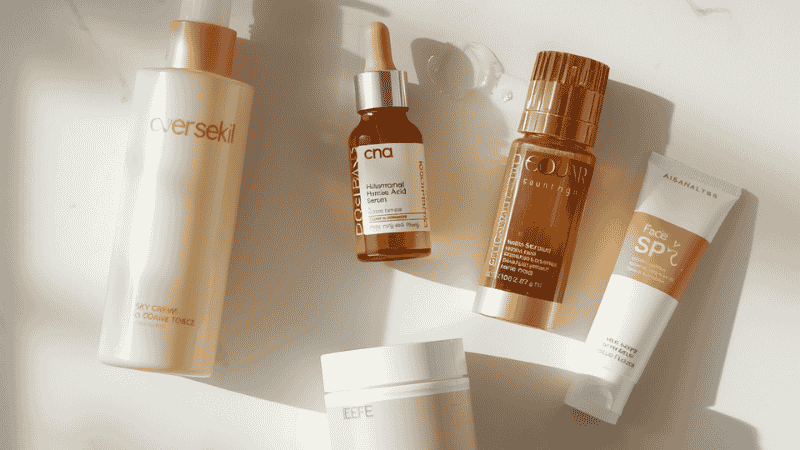
The reason your moisturizer isn’t working — and the simple routine that actually fixes dry skin for good.
You moisturize every single day. Sometimes twice. And your skin is still tight, still flaky, still somehow dry in a way that makes your foundation cling to every patch and your face look dull by midday. You’ve tried switching moisturizers three times. You’ve gone richer, thicker, more expensive. Nothing quite sticks.
Here’s what’s likely happening: dry skin isn’t just about moisturizer. It’s about the whole sequence — what you’re cleansing with, whether you’re layering correctly, and whether your products are actually locking hydration in or just sitting on the surface and evaporating. A heavy moisturizer on top of a stripping cleanser is like filling a leaky bucket. The moisture goes in, then right back out.
This dry skin care routine is built around that problem — starting from the cleanser and going step by step through a sequence that actually holds hydration in your skin. Everything recommended is available at the drugstore, most of it under $20, and none of it requires a 10-step routine to work.
Key Takeaways
- Cleanser choice is the most overlooked step for dry skin — a stripping cleanser undoes everything your moisturizer does
- Apply moisturizer to slightly damp skin, not dry skin — this traps water in the skin rather than just coating the surface
- Hyaluronic acid serum should be applied to damp skin and immediately followed by moisturizer, or it can actually pull moisture out of skin in dry climates
- Dry skin and dehydrated skin are different conditions — dry skin lacks oil, dehydrated skin lacks water — and they need different fixes
- The best drugstore routine for dry skin costs under $50 total and genuinely works
Dry Skin vs Dehydrated Skin: Which One Do You Have?
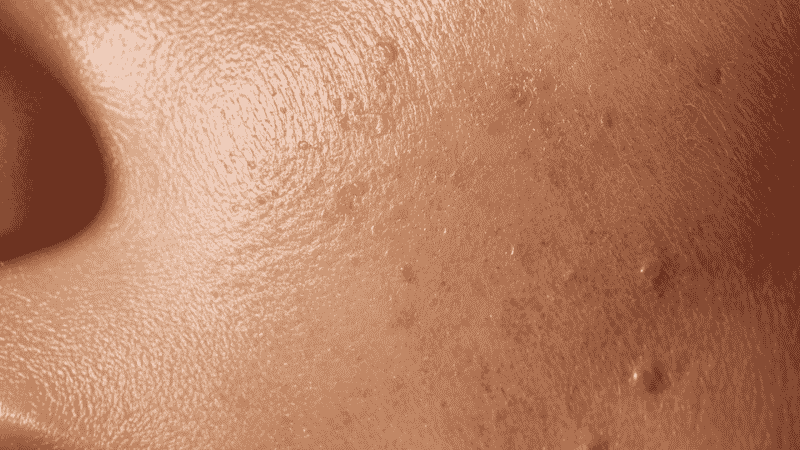
This distinction matters more than most guides acknowledge, because the fixes are slightly different.
Dry skin is a skin type — your skin naturally produces less sebum (oil) than average. It tends to be consistent year-round, though it gets worse in winter. Dry skin looks and feels rough, tight, or flaky. Makeup clings to dry patches. Fine lines are more visible because the skin lacks the natural oils that keep it plump.
Dehydrated skin is a skin condition — your skin is temporarily lacking water, not oil. Anyone can have dehydrated skin regardless of their skin type. Dehydrated skin feels tight, looks dull, and can show fine lines even on young skin. It’s often caused by weather, not drinking enough water, over-cleansing, or using harsh products.
The good news: most of the same products work for both. The main difference is that dehydrated skin responds faster — a week of proper hydration and it often bounces back. Truly dry skin needs a consistent long-term routine.
The quick test: pinch the skin on your cheek gently and release. If it springs back immediately, you’re likely just dry. If it takes a moment to smooth out (like a “tent” effect), you’re likely dehydrated.
Morning Dry Skin Care Routine

Step 1: Gentle creamy or milky cleanser — or just water
This is the step that most dry-skin people get wrong. Foaming cleansers, gel cleansers, and anything that produces a lot of lather almost always contain surfactants that strip your skin’s natural oils — the oils it’s already not producing enough of. Washing with a stripping cleanser in the morning sets your skin up to be dry all day, regardless of what you put on afterward.
For dry skin in the morning, a creamy or milky cleanser is ideal. Some people with dry skin can simply rinse with lukewarm water in the morning (no cleanser) and save proper cleansing for the evening — and their skin actually does better for it.
Best affordable options:
- CeraVe Hydrating Cleanser (~$14) — extremely gentle, contains ceramides, widely recommended by dermatologists for dry skin
- Cetaphil Gentle Skin Cleanser (~$12) — a classic for a reason, very mild, works on the most sensitive dry skin
- La Roche-Posay Toleriane Hydrating Gentle Cleanser (~$15) — slightly more nourishing, great for very dry or sensitive skin
Key rule: if your skin feels tight after cleansing, the cleanser is too harsh. Switch immediately.
Step 2: Hydrating toner or essence (optional but very helpful)
For dry skin, a hydrating toner — not an astringent or exfoliating toner — adds a layer of water-based hydration between cleansing and serum. Apply while your skin is still slightly damp from cleansing, which helps the hydration absorb more effectively.
Look for toners with hyaluronic acid, glycerin, or aloe vera. Avoid anything with alcohol, witch hazel, or salicylic acid in this step — those are for oily skin and will make dryness worse.
- Neutrogena Hydro Boost Hydrating Toner (~$14) — hyaluronic acid-based, lightweight, absorbs quickly
- Klairs Supple Preparation Unscented Toner (~$22) — gentle, deeply hydrating, fragrance-free
Step 3: Hyaluronic acid serum — on damp skin
Hyaluronic acid is the most important ingredient in a dry skin routine. It’s a humectant — it draws water into the skin and holds it there. But there’s a critical technique detail that most guides skip: hyaluronic acid must be applied to damp skin, not dry skin.
When applied to dry skin in a dry environment, hyaluronic acid can pull moisture from deeper layers of your skin rather than from the air — making dryness worse, not better. Apply it immediately after toner while your skin is still slightly damp, then follow immediately with moisturizer to seal everything in.
Best options:
- The Ordinary Hyaluronic Acid 2% + B5 (~$9) — affordable, effective, widely available
- Neutrogena Hydro Boost Hyaluronic Acid Serum (~$18) — drugstore accessible, good texture for layering
Step 4: Rich moisturizer — while skin is still damp
Same principle as the serum: apply moisturizer while your skin is still slightly damp from the previous steps. This traps the water in your skin rather than just coating the surface.
For dry skin, look for moisturizers with ceramides (which repair the skin barrier), glycerin (a humectant), and/or shea butter or squalane (emollients that seal hydration in). Avoid anything labeled “oil-free” or “mattifying” — those are formulated to reduce moisture, which is the opposite of what you need.
Best affordable options:
- CeraVe Moisturizing Cream (~$16) — ceramide-rich, non-greasy despite being very hydrating, excellent for dry skin
- Neutrogena Hydro Boost Gel Cream (Extra-Dry) (~$18) — water-gel formula that still feels substantial enough for dry skin
- Vanicream Moisturizing Cream (~$14) — fragrance-free, dye-free, excellent for sensitive dry skin
Step 5: SPF — hydrating formula
For dry skin, avoid SPF products labeled “matte” or “oil-free” — these have a drying effect. Look for hydrating sunscreens, often labeled “dewy,” “luminous,” or “moisturizing.”
- La Roche-Posay Anthelios Melt-In Milk Sunscreen SPF 60 (~$36) — silky texture, very comfortable on dry skin, no white cast
- Neutrogena Hydro Boost Moisturizing Sunscreen SPF 50 (~$15) — hydrating SPF and moisturizer in one, great for dry skin
- Aveeno Positively Radiant Daily Moisturizer SPF 30 (~$18) — affordable, adds a subtle glow that’s flattering on dry skin
Editor’s note: Dry skin and SPF are a combination that’s often neglected because many sunscreens feel uncomfortably drying. The Neutrogena Hydro Boost SPF is genuinely one of the most comfortable sunscreens I’ve ever used on dry skin — it actually makes skin feel more hydrated after application, not less.
Night Dry Skin Care Routine
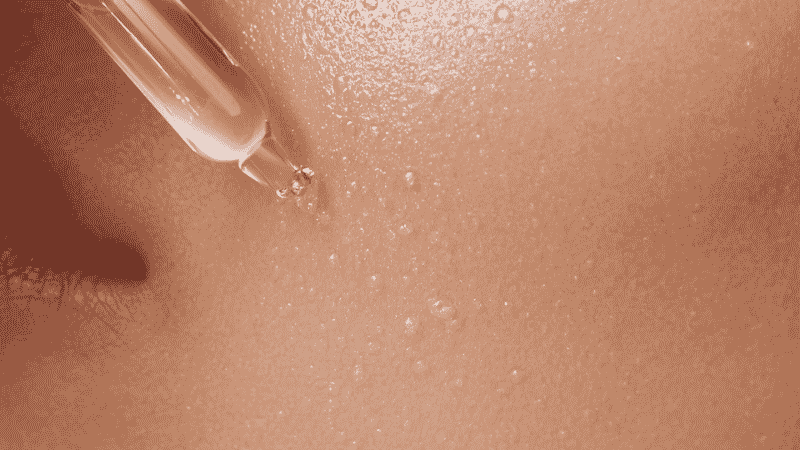
Your nighttime routine is where dry skin does most of its repairing — skin cell turnover peaks overnight, and this is when nourishing ingredients have the longest uninterrupted time to work.
Step 1: Double cleanse if you wore makeup or SPF
Use a cleansing balm or oil cleanser first to dissolve makeup and sunscreen, then follow with your gentle cream cleanser. Cleansing oils and balms are particularly well-suited to dry skin — they clean without any stripping whatsoever.
The DHC Deep Cleansing Oil (~$28) and the Kiehl’s Midnight Recovery Botanical Cleansing Oil (~$42) are both excellent but pricier. For a drugstore option, the Neutrogena Makeup Remover Cleansing Towelettes (~$9) work in a pinch for makeup removal before your regular cleanser.
Step 2: Hydrating toner or essence
Same as morning — add this layer of water-based hydration while skin is still damp from cleansing.
Step 3: Hyaluronic acid serum on damp skin
Same as morning, same technique. Damp skin, apply, seal immediately with moisturizer.
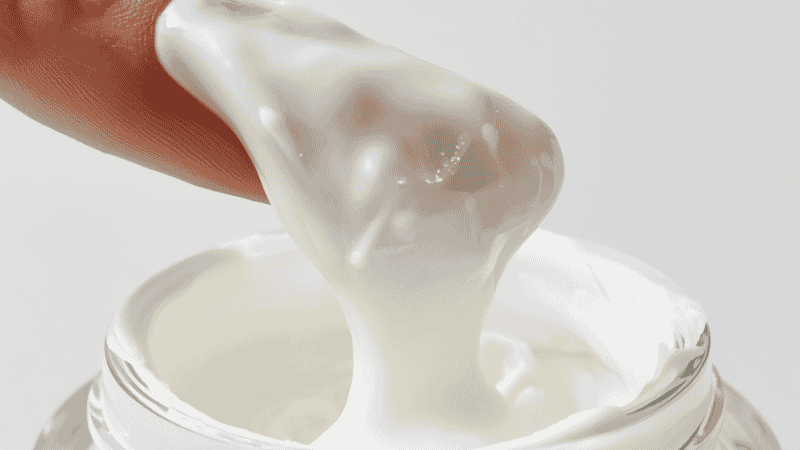
Step 4: Richer night moisturizer or face oil
At night, you can go significantly richer than your daytime moisturizer without worrying about makeup or SPF sitting on top. This is where dry skin gets its most intensive repair.
Options:
- CeraVe Skin Renewing Night Cream (~$18) — peptides plus ceramides, noticeably more hydrating than the daytime version
- Olay Regenerist Micro-Sculpting Cream (~$25) — very hydrating, great for slightly more mature dry skin
- Squalane oil — apply a few drops of pure squalane (not mineral oil) over your moisturizer to seal everything in. The Ordinary 100% Plant-Derived Squalane (~$10) is one of the best dry-skin investments you can make
The “slugging” option for very dry skin: On nights when your skin is extremely dry or the weather is harsh, apply a thin layer of Vaseline or Aquaphor Healing Ointment as the last step in your routine. It creates an occlusive seal that prevents overnight moisture loss. It feels strange the first time, but the skin it produces by morning is remarkable.
Why Your Foundation Looks Patchy on Dry Skin (And How to Fix It)
Dry skin and foundation have a complicated relationship. Foundation clings to dry patches, emphasizes flakiness, and looks cakey or patchy in a way that oily skin never does. Here’s what to do about it:
Exfoliate gently once or twice a week. Dry, flaky skin has a layer of dead skin cells sitting on the surface that foundation grabs onto. A gentle chemical exfoliant — a low-strength AHA like lactic acid — removes those cells without the abrasion that worsens dryness. The Ordinary Lactic Acid 5% + HA (~$9) is gentle enough for dry skin and makes a noticeable difference in how foundation sits.
Use a hydrating primer before foundation. A silicone-free hydrating primer fills in any rough texture and gives foundation a smooth, hydrated surface to sit on. The e.l.f. Power Grip Primer (~$10) works well for dry skin despite being marketed for all skin types.
Choose dewy-finish foundation. Matte foundations on dry skin look flat and emphasize texture. Look for foundations labeled “dewy,” “satin,” “hydrating,” or “skin tint.” The L’Oréal True Match Foundation (~$10) in its more hydrating version is a consistently recommended option for dry skin at the drugstore.
Apply foundation to moisturized, not dry skin. Never apply foundation to skin that’s dry or tight. Moisturize first, wait two minutes, then apply foundation. The difference is significant.
Dry Skin in Winter vs Summer
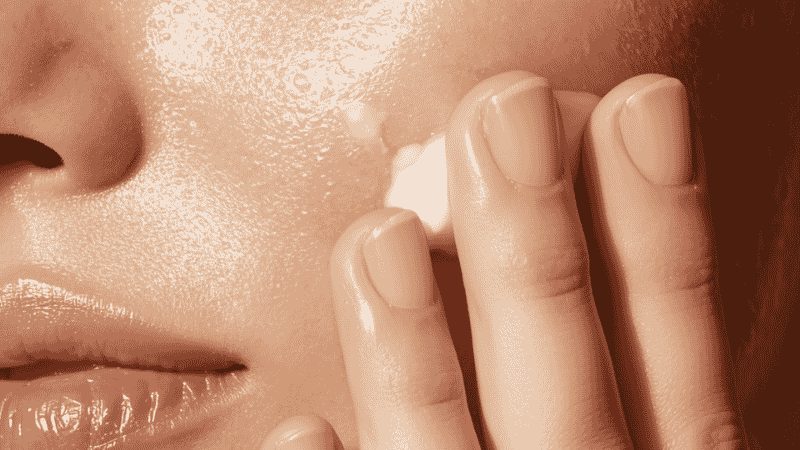
Dry skin almost always gets worse in winter and better in summer — but the routine needs to shift slightly with the seasons.
Winter: Cold air and indoor heating both strip moisture from skin. Switch to an even richer moisturizer, add a face oil at night, consider using a humidifier in your bedroom, and don’t skip SPF just because it’s cloudy — UV rays penetrate clouds and contribute to moisture loss over time.
Summer: Humidity helps dry skin — you may find you need a lighter moisturizer in summer. Don’t abandon SPF; look for a formula that feels comfortable in heat. A hydrating facial mist throughout the day helps if air conditioning is drying your skin out.
What If Your Routine Isn’t Working?

Skin still feels tight after moisturizing: Your moisturizer is either not rich enough, or you’re applying it to completely dry skin. Try applying to slightly damp skin right after cleansing, and consider adding a face oil as the final step to seal everything in.
Foundation still clinging to dry patches: Incorporate gentle chemical exfoliation 1-2x per week, and try a hydrating primer before foundation. Also check that your cleanser isn’t stripping your skin — a tight feeling after cleansing means it is.
Products feel like they’re sitting on top of skin, not absorbing: You may be applying products in the wrong order (thickest before thinnest) or not allowing each layer to absorb before the next. Also check that you’re not layering silicone-based products under water-based ones — they don’t mix well.
Moisturizer feels greasy instead of hydrating: The formula may contain mineral oil or petrolatum as primary ingredients, which coat the skin rather than penetrate it. Try switching to a ceramide or hyaluronic acid-based formula instead.
When to See a Dermatologist
If you’re experiencing cracked, bleeding, or severely itchy skin; eczema flare-ups that aren’t responding to over-the-counter products; or skin that’s become reactive to almost everything — it’s time to see a dermatologist. These can be signs of eczema, psoriasis, or a severely compromised skin barrier that needs prescription treatment.

FAQ
What is the best moisturizer for dry skin?
Look for formulas containing ceramides, hyaluronic acid, glycerin, or squalane. The CeraVe Moisturizing Cream is one of the most consistently recommended by dermatologists for dry skin — it contains all three essential ceramides plus hyaluronic acid and costs under $20.
Should I exfoliate if I have dry skin?
Yes, but gently and infrequently. Dry skin accumulates dead skin cells that make it look dull and cause foundation to cling. A gentle AHA exfoliant (lactic acid or mandelic acid) used 1-2 times per week removes those cells without stripping. Avoid physical scrubs — they’re too abrasive for dry skin.
Why does my moisturizer not work for my dry skin?
A few possible reasons: you’re applying it to completely dry skin (apply to damp skin instead), your cleanser is stripping away moisture before the moisturizer has a chance to work, or the formula isn’t occlusive enough to seal hydration in. Try adding a face oil or thin layer of squalane as a final step to prevent moisture loss.
Can dry skin become oily?
Not exactly — but dehydrated dry skin can produce extra oil as a compensation mechanism, similar to oily skin. This can make dry skin appear shinier or more “combination” than it naturally is. Proper hydration usually resolves this.
What ingredients should dry skin avoid?
Alcohol (listed as “alcohol denat” or “ethanol” in ingredients), witch hazel, synthetic fragrance, harsh sulfates in cleansers (like sodium lauryl sulfate), and aggressive chemical exfoliants like high-strength AHAs or BHAs used too frequently.
Dry Skin Is Very Fixable — With the Right Sequence
The routine itself isn’t complicated: gentle cleanser, hydrating toner, hyaluronic acid on damp skin, rich moisturizer while still damp, SPF. That’s five steps, all available at the drugstore, total cost under $60 for a full kit.
The difference is in the details — damp skin application, the right cleanser, layering in the right order. Get those things right and dry skin responds relatively quickly. Most people notice a difference within a week of a consistent, properly sequenced routine.
Keep building your routine on MyColorKiss:
- Skincare Routine for Combination Skin — if parts of your face are dry and others aren’t
- How to Apply Foundation for Beginners — foundation tips specifically for dry skin
- Natural Makeup Look Tutorial — how to achieve a dewy, glowing finish on dry skin
And remember — dry skin isn’t a flaw. With the right routine, it can actually be one of the most beautiful skin types: dewy, glowing, and graceful as it ages.
References: American Academy of Dermatology Association. Dry skin: Tips for managing. https://www.aad.org/public/everyday-care/skin-care-basics/dry/dry-skin-tips Lynde CW. Moisturizers: What they are and how they work. Skin Therapy Letter. 2001;6(13):3-5.