
I’ve been there: you spend $80 on a “botanical” face oil that smells like a spa, only to wake up three days later with a compromised barrier and those tiny, itchy red bumps. For a long time, the “natural” movement felt like a choice between stuff that smelled nice but did nothing, or “green” products that actually made my skin freak out.
But honestly, 2026 feels different. We’re finally moving away from basic, unstable plant oils and toward Biotech-Naturalism—basically, skincare products that use plant science but actually behave like clinical treatments. The goal isn’t just to have a “clean” shelfie; it’s about using stuff your skin actually recognizes and uses to heal.
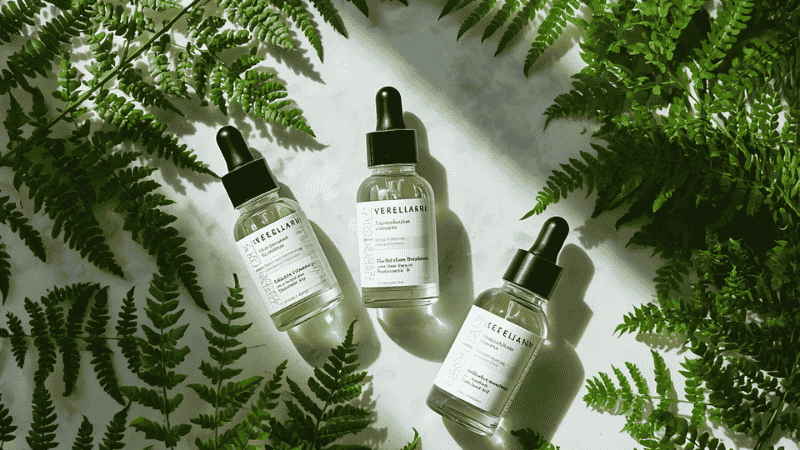
The Science of Botanical Actives: Why My “Natural” Stuff Finally Works
I used to think “natural” meant weaker. I was wrong. The problem wasn’t the plants; it was that they couldn’t get deep enough into my pores to matter. Now, thanks to fermentation and lab-grown plant cells, we’re getting actives that actually stay stable on your bathroom counter.
- Bakuchiol: I call this “retinol without the tears.” I tried a prescription retinoid last year and my face literally peeled for three weeks. Switching to Bakuchiol gave me that same “glow” and softened my forehead lines after about a month, but with zero stinging.
- Chebula: This is the 2026 MVP. Traditional Vitamin C always turned orange and smelled like hot dogs on my skin. Chebula is way more stable; it doesn’t oxidize in the bottle, and I’ve noticed my post-breakout marks fading much faster.
- Fermented Ceramides: If you’ve ever over-exfoliated (guilty!), these are a lifesaver. Because they’re fermented, they mimic your skin’s actual oils. When I use these, my face feels “plump” rather than just “greasy.”
Editor’s Note: If you are just starting your journey, check out our [The Ultimate 2026 Guide to Skin Streaming → /skin-streaming-routine] to avoid product overload.
What Most Skincare Guides Get Wrong
Most blogs tell you that if it’s from a plant, it’s “safe.” This is the biggest lie in beauty. Poison ivy is natural, but you wouldn’t rub it on your face.
Generic guides often miss the stability factor. They recommend DIY lemon scrubs or raw coconut oil. In reality, raw coconut oil is highly comedogenic (pore-clogging) for about 50% of users. Modern skincare products succeed because they isolate the beneficial part of the plant while removing the irritants.
The 2026 Natural Edit: What’s Actually in My Vanity
Finding the right skincare products is a trial-and-error nightmare. To save you the breakouts, here’s what’s actually working for different skin vibes right now.
Best Overall: The Biotech Multi-Correction Serum
I started seeing a difference in my skin texture in exactly 14 days with this. It has that slightly tacky, “expensive” serum feel that sinks in immediately. It’s perfect for the minimalist who just wants one high-performing bottle.
- Why it fits: It’s an all-rounder. If you’re busy and just want to look “awake,” this is the one.
Best for Oily Skin: Willow Bark & Niacinamide Clarifying Gel
My sister has super oily skin and most “natural” balms just gave her cystic acne. This gel is different. It feels cooling, not sticky, and uses Willow Bark to keep pores clear.
- Why it fits: It manages the grease without that tight, “I can’t move my face” feeling you get from cheap drugstore toners.
Best for Dry Skin: Cold-Pressed Prickly Pear & Squalane Oil
Dry skin needs more than just water; it needs lipids. Prickly pear oil contains 150% more Vitamin E than argan oil. This specific blend sinks in within 2 minutes, so you don’t look like a glazed donut all day.
- Why it fits: It provides a deep, lasting glow that actually makes foundation look better.
Best for Sensitive Skin: Fermented Ceramide & Mugwort Balm
This is my “emergency” jar. Whenever I try a new product that my skin hates, I go back to this for 48 hours. It’s thick, buttery, and has zero added fragrance—which is huge, because “natural” fragrance is usually what causes the most redness.
- Why it fits: It’s a literal hug for a damaged skin barrier.
Real-Life Scenarios: When Natural Actually Wins
Case Study 1: The “Retinol-Reject” (Anti-Aging)
- User: Sarah, 34.
- Problem: Sarah had “angry” skin—redness around the nose and constant flaking from trying to use Tretinoin.
- The Routine: She ditched the harsh stuff for a 2% Bakuchiol oil.
- The Result: It took about 6 weeks (patience is key!), but her skin finally looked calm and the fine lines around her eyes softened.
Case Study 2: The Post-Exfoliation Crisis (Barrier Repair)
- User: Maya, 28.
- Problem: Maya went too hard on glycolic acid pads and ended up with skin that felt like it was on fire.
- The Routine: A total “Skin Fast.” She used a botanical oil cleanser and a fermented ceramide cream.
- The Result: The burning stopped in two days. By day five, the rough, “sandpaper” texture was gone.
Safety First: Don’t Ruin Your Progress
Even the best skincare products can cause a reaction if your skin isn’t ready.
- The Patch Test: Always apply a small amount behind your ear or on your inner forearm for 24–48 hours before doing a full face application.
- When to Stop: If you experience “heat,” stinging that lasts longer than 30 seconds, or tiny white bumps (milia), stop immediately.
- Sensitivity Warning: Many natural products use essential oils like Citrus or Bergamot. These can make your skin highly sensitive to sunlight (photosensitivity). Always wear your SPF!
The 3 “Natural” Mistakes I’ll Never Make Again
- Thinking Raw Essential Oils are “Healing”: I once put straight tea tree oil on a zit and it left a dark scar that lasted six months. Use products where the oils are professionally diluted.
- Skipping SPF Because it’s “Chemical”: Your skin doesn’t care if the sun damage is “organic.” If you hate the smell of sunscreen, look for a modern Mineral SPF with Zinc Oxide. For more on this, see our [Internal Link: Best Natural Foundations with Mineral SPF → /natural-foundation-guide].
- DIY Kitchen Hacks: Stop putting lemon juice or baking soda on your face. Lab-verified skincare products are balanced for your skin’s pH for a reason.
Frequently Asked Questions
Is natural skincare safer for pregnancy? Usually, yes, because you’re avoiding retinoids and hydroquinone. However, some essential oils (like Clary Sage) should be avoided. Always show your ingredient list to your OB-GYN.
Can I mix natural oils with my prescription retinol? Totally. I find that a drop of squalane oil helps the retinol sink in without causing that dreaded “retinol burn.”
How do I know if a product is truly “Clean” in 2026? Don’t trust the packaging color. Look for the EWG Verified seal or “Biotech” on the label. Check the first five ingredients—they should be active extracts, not just “water and perfume.”
How long does it take to see results with natural products? Unlike harsh chemicals that might give an instant (but temporary) sting, natural actives like Bakuchiol or Chebula take 28 to 40 days to show real structural changes in the skin. Consistency is everything.
Disclaimer: This guide is for informational purposes. Always consult a dermatologist for chronic skin conditions like cystic acne or severe rosacea.