If your bathroom vanity looks like a miniature laboratory, you’ve probably hit the same wall I did: “product fatigue.” I spent years layering five different serums, staring at my reflection while they dried, and wondering why my skin still looked dull—or worse, why I was suddenly getting those itchy, red patches from over-exfoliation.
By the time 2026 rolled around, I was done. I traded the clutter for “Skin Streaming,” and honestly, qure skincare has been the centerpiece of that entire shift. It’s basically like taking a professional med-spa and shrinking it down to fit on your nightstand.
Minimalism Meets Tech: Why I Finally Swapped My Serums for Qure
The hardest part of going minimalist is the FOMO—the fear that if you stop using your ten-step routine, your face will just “quit.” But qure skincare actually handles the heavy lifting that most topicals can’t reach.
Instead of guessing which acid won’t clash with my moisturizer, I just spend three minutes with a clinical-grade device. It’s the ultimate “Skin Streaming” hack for people who are tired of the chemistry experiment. If you’re still struggling with the basics, check out our guide on [The 3-Step Morning Routine for Busy Professionals → /minimalist-morning-skincare].
What Most Skincare Guides Get Wrong
Most beauty blogs try to sell you a “magic” serum for every single pore. They miss the fact that absorption is the real bottleneck. You can buy a $200 cream, but if it’s just sitting on top of dead skin cells, you’re throwing money away.
Generic guides also tend to ignore the wavelength precision of LED tech. Not all “red lights” are the same. In 2026, we know that if the nanometers aren’t exact, you’re just sitting in a dark room with a glowing plastic mask. Qure actually publishes their specs, which is why they’ve survived the “TikTok fad” phase.
My Honest Take: The Qure LED Light Therapy Mask
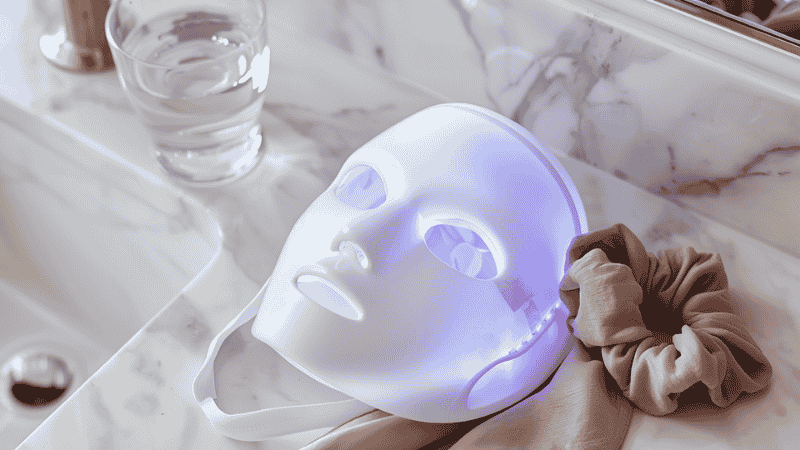
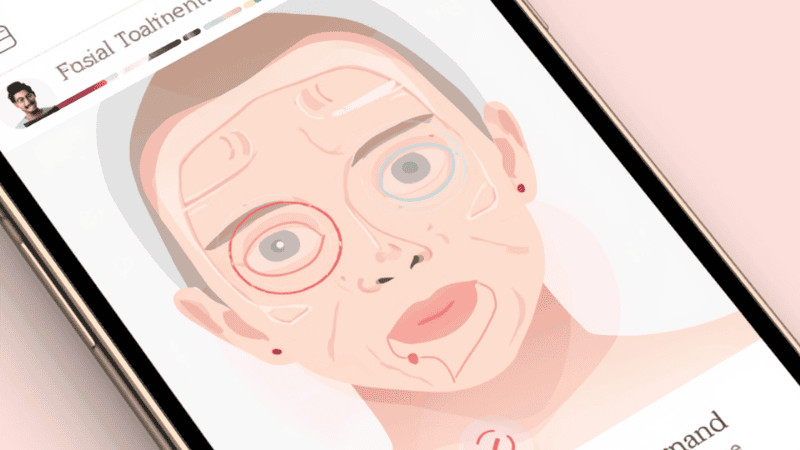
Most LED masks are “one size fits all,” which never worked for me because I’d have fine lines on my forehead but a random hormonal breakout on my chin. The Qure LED Mask is different because it’s app-controlled. I can actually program the forehead zone for “Anti-Aging” (the Red Light) while my jawline gets “Anti-Breakout” (the Blue Light) at the exact same time.
- The Routine: I put it on while I’m checking my emails in the morning.
- The Feel: It’s lightweight enough that it doesn’t feel like a chore. That “3-minute ritual” is real—I actually stick to it because it doesn’t require a sink or a towel.
The Micro-Infusion System: My “At-Home Facial” Secret
If you feel like your expensive serums are just evaporating off your face, you need to try micro-infusion. This system uses tiny, 24K gold-plated needles (way thinner than a hair) to create “micro-channels.” When you “stamp” it onto your skin, the serum goes directly into the top layer where it can actually work.
It’s satisfying because you aren’t wasting product. You’re using a tiny, potent dose delivered exactly where it’s needed. For more on how this compares to other tools, see our breakdown of [LED vs Micro-needling: Which Home Tech Wins? → /led-vs-microneedling-comparison].
Conversion Hub: Which Qure Tool is Worth Your Money?
- Best Overall: Qure LED Mask This is the workhorse. If you’re only going to buy one piece of tech, make it this. It’s the only thing I’ve found that treats acne and wrinkles simultaneously without making my skin freak out.
- Best for Oily & Congested Skin: The Micro-Infusion System If your pores always feel “clogged,” topical creams often just sit on the surface. This “stamping” method helps deliver oil-regulating ingredients (like Niacinamide) deeper to help clear the path.
- Best for Sensitive & Reactive Skin: Qure LED Mask (Red Light Only) If your skin hates Vitamin C or Retinol, Red light therapy is your best friend. It offers clinical results with zero risk of the “red, itchy face” aftermath of active ingredients.
- Best for Dry Skin: Qure Micro-Infusion (with Hyaluronic Serum) Standard serums often dry out before they can hydrate. “Stamping” a humectant directly into the skin provides a much deeper “plump” that lasts for days.
Real Life: When Minimalist Tech Actually Clicked
Scenario 1: The “Busy Professional” (Texture & Glow)
- User: Elena, 38.
- The Problem: Elena’s skin looked “tired” despite her 20-minute nightly routine.
- The Result: By week three of using the LED mask, her skin had that “post-facial” bounce. She saved 15 minutes a night and her face looked smoother than it ever did with the “expensive cream” layers.
Scenario 2: The Hormonal Acne Struggle
- User: Chloe, 24.
- The Problem: Constant chin breakouts and red marks.
- The Result: The Blue Light actually killed the bacteria without the “acid burn” of traditional acne creams. After about 6 weeks, the active breakouts chilled out, and her skin barrier finally stopped peeling.
Safety & Your Barrier: Read This First
Even though this is “at-home” tech, it’s still powerful.
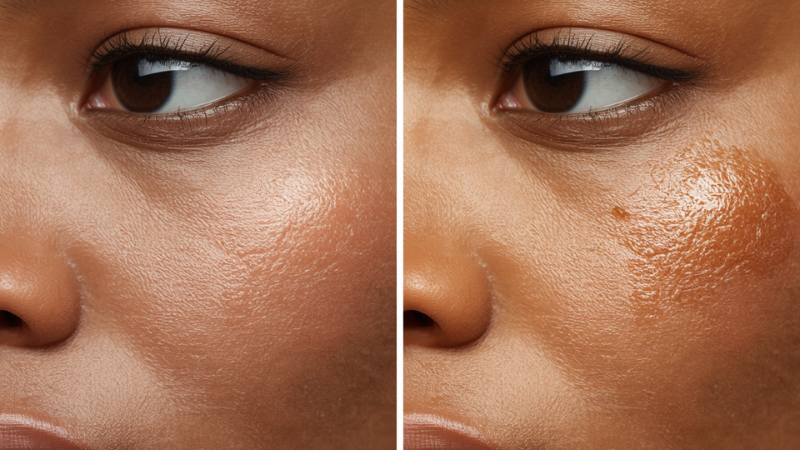
- The Patch Test: When using the Micro-Infusion serums, test a small patch on your jawline 24 hours before doing your whole face.
- When to Stop: If you experience persistent swelling, extreme heat, or broken skin, put the device away. Your barrier might be too compromised for treatments.
- Sensitivity Warning: Your skin will be more sensitive to the sun after micro-infusion. Always wear a mineral SPF the following day.
Things I Learned the Hard Way (Mistakes to Avoid)
- Don’t Mix with Prescription Retinol: Seriously, don’t use Tretinoin 24 hours before or after micro-infusion. Your skin is “open,” and it will sting like crazy.
- Use the App: The whole point of qure skincare is the custom zones. Don’t skip the setup!
- Consistency is King: You won’t wake up with a new face after one day. But after 30 days? The difference is undeniable.
FAQs From a Real User
How long does it really take? I saw a “brighter” look in about 10 days, but for the real stuff—like fading dark spots or softening lines—you’re looking at 4 to 8 weeks of consistent use.
Can I still use my favorite moisturizer? Definitely. I usually cleanse, do my 3-minute Qure session, and then seal everything in with a basic, high-quality moisturizer.
Does Micro-Infusion hurt? It’s more of a “prickly” sensation, kind of like velcro being pressed against your skin. It doesn’t cause the bleeding you see in those scary “vampire facial” videos.
Is it worth the investment? If you currently spend $150+ a month on facials or a rotating door of serums that don’t work, the ROI is usually reached within 3 to 4 months.
Can I use it on active acne? The LED mask is great for active acne (Blue Light). However, do not use the Micro-Infusion stamp directly over an active, “angry” whitehead, as this can spread bacteria. Treat the surrounding areas instead.
Disclaimer: I am a skincare enthusiast, not a doctor. If you have severe cystic acne or skin conditions like Rosacea, please chat with your dermatologist before starting light therapy or micro-infusion.