
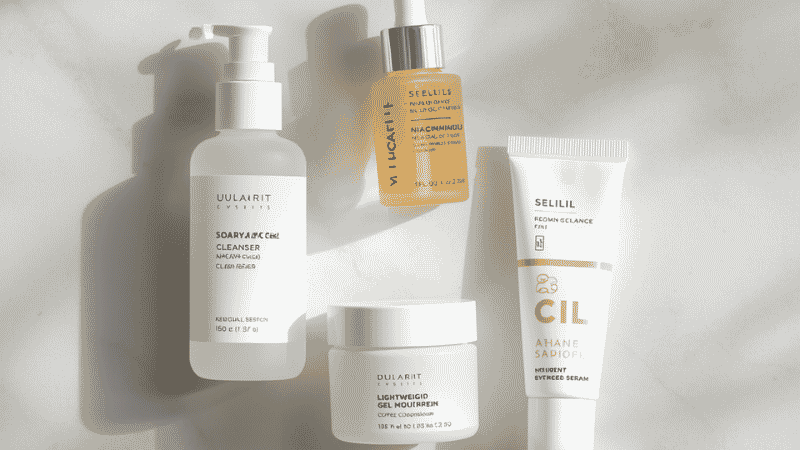
The reason your skin is still oily might be because you’re skipping the one step that fixes it.
You wash your face twice a day. You skip moisturizer because — why would an already-oily face need more moisture? You’ve tried mattifying products, oil-absorbing primers, blotting papers by the handful. And by noon, your face is still shiny enough to reflect sunlight.
Here’s the thing nobody tells you when you have oily skin: the routine most people build around oily skin — strip it, dry it out, skip moisturizer — is often the exact reason the oiliness keeps coming back. Your skin’s oil production isn’t random. It responds to what you do to it. Dry it out, and it compensates by producing more oil. Keep it balanced, and it calms down over time.
This is the oily skin care routine that actually works — built around that principle, using products you can find at any drugstore for under $15 each. No 12-step Korean routine, no $80 serums, no complicated ingredient stacking. Just a simple, effective routine that treats oily skin for what it actually is: a skin type that needs the right balance, not punishment.
Key Takeaways
- Skipping moisturizer makes oily skin worse — dehydrated skin overproduces oil to compensate, creating a cycle that’s hard to break
- The best cleanser for oily skin is gentle, not harsh — stripping cleansers trigger rebound oil production
- Niacinamide is the single most useful ingredient for oily skin — it regulates sebum production, minimizes pores, and costs under $10
- Oily skin absolutely needs SPF — and oil-free, gel-formula sunscreens don’t add shine
- The full routine takes under 5 minutes once you’ve got it down
Do I Actually Have Oily Skin?

Oily skin and dehydrated skin can look similar — both can cause shine — but they need completely different treatments. Before building a routine, it’s worth being sure.
The test: wash your face with a gentle cleanser and wait 30 minutes without applying anything. If your entire face looks shiny and feels greasy — forehead, nose, cheeks, chin, all of it — you likely have oily skin. If it’s only shiny in the T-zone with drier cheeks, that’s combination skin.
True oily skin characteristics:
- Shine across the whole face, not just the T-zone
- Visible, enlarged pores — especially on the nose and forehead
- Makeup that slides off within a few hours
- Frequent breakouts or blackheads
- Skin that feels slick to the touch even after cleansing
According to the American Academy of Dermatology, people with oily skin actually tend to develop fewer wrinkles over time — the extra sebum keeps skin more supple. Not a bad trade-off, once you figure out how to manage the shine.
The Biggest Oily Skin Myth (That’s Making Things Worse)

Before getting into the routine itself, we need to address the thing that keeps oily-skin people stuck in a frustrating cycle.
Myth: Oily skin doesn’t need moisturizer.
This is the single most common oily-skin mistake, and it makes scientific sense why it feels true — if your skin is already producing too much oil, adding more moisture seems counterintuitive. But skin oil (sebum) and skin hydration (water) are completely different things. Your skin can be oily and dehydrated at the same time.
When you skip moisturizer, your skin’s hydration levels drop. Your skin interprets this as a problem and responds by producing more sebum to compensate. The result: you get oilier, not less oily. You skip moisturizer again because of the oiliness. The cycle continues.
The fix is a lightweight, water-based, oil-free moisturizer that hydrates without adding any sebum to the equation. Your skin gets the hydration it needs, stops overcompensating, and over time — often within a few weeks of consistent moisturizing — oil production actually decreases.
Editor’s note: This was the single change that made the biggest difference for my oily-skin clients. Not a new cleanser, not a toner, not a spot treatment. Just adding a lightweight gel moisturizer. It takes about two weeks to see the shift, but it happens.
Morning Oily Skin Care Routine

Step 1: Gentle gel or foaming cleanser
For oily skin, a gel or foaming cleanser is appropriate — unlike combination skin, you can handle a bit more cleansing power. But the key word is still gentle. Harsh, stripping cleansers that leave your skin feeling squeaky-clean are too aggressive — that tight, “clean” feeling is your skin being stripped of its moisture barrier, which triggers the rebound oil production cycle.
Look for cleansers with salicylic acid for oily, acne-prone skin — salicylic acid is oil-soluble and gets into pores to clear them while cleansing.
Best affordable options:
- CeraVe Foaming Facial Cleanser (~$14) — removes excess oil without disrupting the moisture barrier, contains ceramides
- Neutrogena Oil-Free Acne Wash (~$9) — contains salicylic acid, great for oily and acne-prone skin
- La Roche-Posay Effaclar Purifying Foaming Gel (~$15) — specifically formulated for oily skin, very effective
Step 2: Niacinamide serum
If there’s one ingredient oily skin responds to better than any other, it’s niacinamide. Niacinamide (vitamin B3) regulates sebum production at the source — the sebaceous glands — reducing how much oil your skin produces over time. It also minimizes the appearance of pores, reduces redness, and improves overall skin texture. And it costs almost nothing in drugstore form.
The Ordinary Niacinamide 10% + Zinc 1% (~$7) is the most consistently recommended product for oily skin across skincare communities, and for good reason. Apply a few drops after cleansing, let it absorb for 30 seconds, then move to moisturizer.
Step 3: Lightweight oil-free gel moisturizer
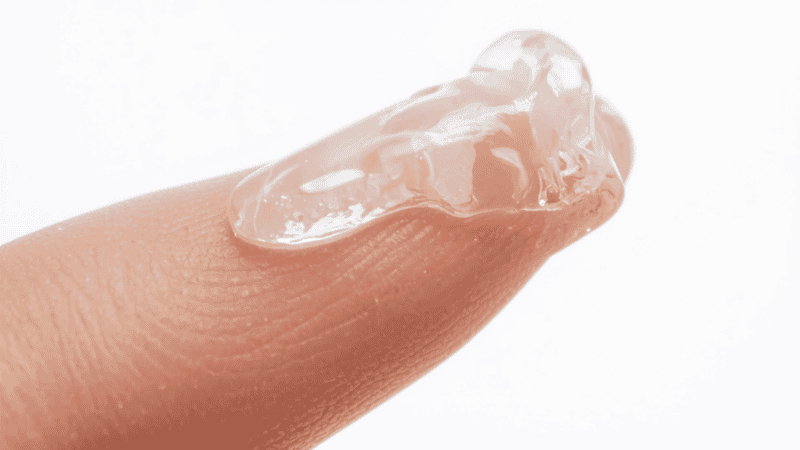
This is the step most oily-skin people skip — and shouldn’t. Use a gel formula specifically, not a cream or lotion. Gel moisturizers are water-based, absorb immediately, leave no residue, and provide hydration without any added sebum.
Best options:
- Neutrogena Hydro Boost Water Gel (~$18) — hyaluronic acid-based, oil-free, absorbs in seconds, leaves a matte-to-neutral finish
- CeraVe Oil Control Moisturizing Gel-Cream (~$16) — contains ingredients that actively absorb excess oil throughout the day
- e.l.f. Holy Hydration! Face Cream (~$12) — surprisingly effective for the price, lightweight enough for oily skin
Apply a small amount — less than you think you need — and press into skin rather than rubbing.
Step 4: Oil-free sunscreen
SPF last, before makeup. For oily skin, the formula matters enormously. Cream or lotion sunscreens can feel heavy and greasy. Look for gel, fluid, or “invisible” formulas specifically designed for oily or acne-prone skin.
- Neutrogena Clear Face Liquid Lotion Sunscreen SPF 55 (~$14) — lightweight, oil-free, doesn’t pill under makeup
- EltaMD UV Clear SPF 46 (~$39) — the gold standard for oily and acne-prone skin, contains niacinamide
- La Roche-Posay Anthelios Clear Skin SPF 60 (~$34) — specifically developed for shine control
Apply generously — a common SPF mistake is using too little, which significantly reduces the actual protection level.
Night Oily Skin Care Routine
Your nighttime routine can be slightly more focused on treatment, since you’re not applying makeup or SPF on top.
Step 1: Double cleanse on makeup days
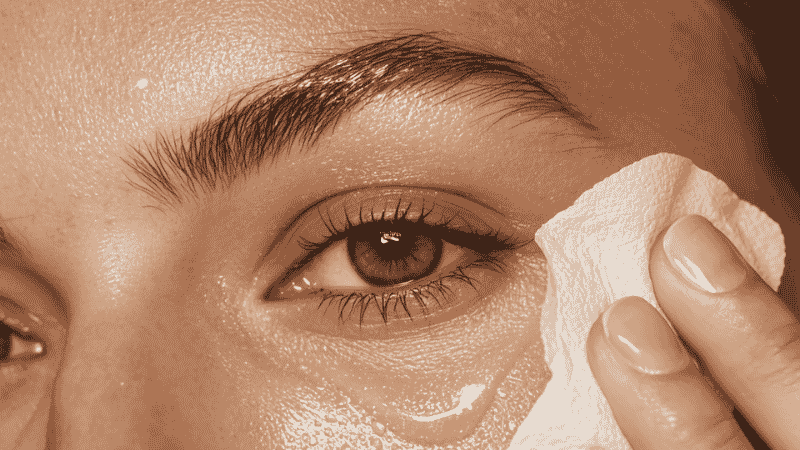
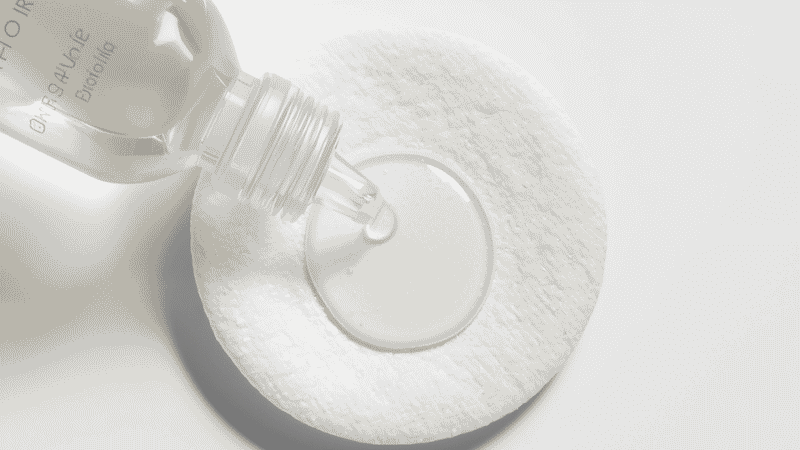
If you wore sunscreen and/or makeup during the day, start with a micellar water or cleansing balm to dissolve them before your regular cleanser. Sunscreen in particular doesn’t fully come off with one cleanse — and leftover sunscreen in your pores overnight is a breakout waiting to happen.
On bare-face days, your regular cleanser once is enough.
Step 2: BHA exfoliant (2-3x per week)
Salicylic acid — a BHA (beta hydroxy acid) — is the most effective exfoliant for oily skin because it’s oil-soluble. It can penetrate into sebum-filled pores and dissolve the buildup that causes blackheads and breakouts from the inside. Use it 2-3 times per week, not daily.
- Paula’s Choice Skin Perfecting 2% BHA Liquid Exfoliant (~$35) — the most recommended BHA in skincare communities, genuinely effective for pores and congestion
- The Ordinary Salicylic Acid 2% Solution (~$7) — much more affordable, effective for mild to moderate oily skin concerns
Apply to the whole face, let it absorb for a few minutes, then continue with the rest of your routine.
Step 3: Niacinamide serum (same as morning)
Using niacinamide twice a day — morning and night — gives the most consistent results for oil regulation. If you’re using a BHA exfoliant, apply that first, wait a few minutes, then apply niacinamide.
Step 4: Lightweight gel moisturizer
Same product as your morning routine. At night, you might be tempted to use a richer moisturizer — resist this with oily skin. A lightweight gel is sufficient to maintain hydration overnight and won’t contribute to morning shine.
How to Control Oily Skin During the Day

Even with a good routine, oily skin can get shiny throughout the day — especially in warm weather or in humid environments. A few tools help:
Blotting papers. These absorb surface oil without disturbing your makeup. The NYX Blotting Paper (~$6) and Clean & Clear Oil Absorbing Sheets (~$6) are both widely available and effective. Press, don’t rub — rubbing moves makeup and doesn’t absorb more oil.
Mattifying setting powder. A light dusting of translucent setting powder over your makeup creates a matte barrier that absorbs oil throughout the day. The Coty Airspun Loose Face Powder (~$8) and NYX Can’t Stop Won’t Stop Setting Powder (~$14) both work well for oily skin.
Mattifying setting spray. Apply before powder for extra staying power. The NYX Matte Finish Setting Spray (~$10) is one of the most recommended for oily skin.
What If Your Oily Skin Routine Isn’t Working?
Still breaking out despite a consistent routine: Check whether your products are truly non-comedogenic. Some products labeled “for oily skin” still contain pore-clogging ingredients. Also check your pillowcase — washing it once a week makes a significant difference for acne-prone oily skin.
Skin feels tight after cleansing: Your cleanser is too stripping. Switch to a gentler formula even if it feels less “effective.” Tight skin after cleansing is a sign of a compromised moisture barrier, not clean skin.
Moisturizer still feels greasy: Try applying an even smaller amount, or switch to a more water-based formula. Also make sure you’re applying to skin that’s still slightly damp after cleansing — product absorbs better and feels lighter on damp skin.
Niacinamide isn’t doing anything: Give it more time. Niacinamide’s effects on sebum regulation typically take 4-8 weeks of consistent use to become noticeable. It’s not an immediate fix — it’s a long-game ingredient.
When to See a Dermatologist
If you’re experiencing painful cystic breakouts, significant scarring, or skin that doesn’t respond to any over-the-counter routine after 8-12 weeks of consistent use, it’s worth seeing a dermatologist. Prescription-strength retinoids, topical antibiotics, or other treatments may be appropriate — and a dermatologist can assess whether hormonal factors are contributing to your oiliness.
The 2-Minute Version for Rushed Mornings
When you genuinely have no time:
- Rinse with water or a quick cleanse — 30 seconds
- Apply niacinamide serum — 20 seconds
- Apply gel moisturizer — 20 seconds
- Apply sunscreen — 30 seconds
Skip the toner, skip the extras. Those four steps are the non-negotiables that keep your oily skin care routine doing its job even on the most chaotic mornings.
FAQ
Should oily skin use moisturizer?
Yes — this is one of the most important things to understand about oily skin. Skipping moisturizer causes dehydration, which signals your skin to produce more oil to compensate. A lightweight, water-based, oil-free gel moisturizer hydrates without adding sebum and can actually reduce oiliness over time.
What is the best cleanser for oily skin?
A gel or gentle foaming cleanser that removes excess oil without stripping. Look for formulas with salicylic acid for acne-prone oily skin, or ceramide-containing gentle formulas if your skin is sensitive. Avoid harsh, alcohol-heavy cleansers that leave skin feeling tight — that’s a sign of over-stripping.
What causes oily skin?
Oily skin is primarily genetic — your sebaceous glands are more active than average, producing more sebum. Hormonal changes (puberty, menstrual cycle, pregnancy, contraceptives), warm and humid weather, and stress can all increase oil production. Diet may play a role for some people, though the evidence is mixed.
Is niacinamide good for oily skin?
Yes — niacinamide is one of the most effective ingredients for oily skin. It regulates sebum production at the sebaceous gland level, minimizes pore appearance, reduces redness, and improves overall skin texture. Use a 10% niacinamide serum twice daily for best results.
Does oily skin need sunscreen?
Absolutely — sun exposure can initially seem to dry out oily skin, but UV damage triggers increased oil production over time and causes significant long-term skin damage. Use an oil-free, gel or fluid formula SPF 30 or higher daily. Many are specifically formulated to leave a matte finish.
Oily Skin Isn’t a Problem — It Just Needs the Right Approach
Once you stop fighting your skin and start working with it — gentle cleanser, niacinamide, lightweight moisturizer, oil-free SPF — the whole thing shifts. The oiliness doesn’t disappear overnight, but it does calm down. Your makeup starts lasting longer. Your skin starts looking more like skin and less like a shine source.
Give a consistent routine eight weeks before evaluating. Most of the ingredients that actually regulate oil production — niacinamide especially — need that time to show their full effect.
Keep building your routine on MyColorKiss:
- Skincare Routine for Combination Skin — if you’re not sure which skin type you have
- How to Apply Foundation for Beginners — foundation tips for oily skin specifically
- Natural Makeup Look Tutorial — how to achieve a fresh, non-greasy makeup look on oily skin
And remember — oily skin ages more slowly than dry skin, has a natural glow, and responds well to the right routine. Once you find yours, it’s genuinely one of the easier skin types to maintain.
References: American Academy of Dermatology Association. Skin care for oily skin. https://www.aad.org/public/everyday-care/skin-care-basics/skin/oily-skin Endly DC, Miller RA. Oily Skin: A review of Treatment Options. Journal of Clinical and Aesthetic Dermatology. 2017;10(8):49-55.