
The ingredient list is where sensitive skin problems start — and where the fix begins.
You found a foundation that looked perfect. Great coverage, good shade match, reasonable price. You wore it for a week, and by day three your skin was red, itchy, and angrier than it’s been in months. You returned the foundation, tried a different one, same thing. Now you’re wondering if you’re just someone who can’t wear makeup — or if there’s a pattern here you’re missing.
There’s a pattern. And it almost always comes back to a handful of ingredients that sensitive skin genuinely doesn’t tolerate, regardless of how the product is marketed. Fragrance is the biggest offender. But it’s not the only one. And “hypoallergenic” on the label means almost nothing — it’s not a regulated term, so any brand can use it without meeting any specific standard.
This guide covers makeup for sensitive skin the way it should be covered: the actual ingredients to avoid, how to patch test properly, which drugstore products consistently work for reactive skin, and specifically what to do if you have rosacea or eczema. No gatekeeping, no expensive product recommendations, just what actually helps.
Key Takeaways
- Fragrance is the #1 cause of makeup-related skin irritation — including “natural” fragrances and essential oils
- “Hypoallergenic” is not regulated — it means nothing on a label without other evidence
- The safest starting point for sensitive skin is fragrance-free + minimal ingredient list
- Patch testing takes 24 hours and can prevent days of skin recovery time
- Most sensitive skin-friendly products are available at the drugstore for under $15
What Makes Skin Sensitive to Makeup?
“Sensitive skin” isn’t a medical diagnosis — it’s a description of how your skin responds. According to the American Academy of Dermatology, skin reactions to makeup products fall into two main categories: irritant contact dermatitis (the skin is irritated by an ingredient) and allergic contact dermatitis (the immune system reacts to an ingredient). Irritant reactions are much more common and cause redness, burning, stinging, or tightness. True allergic reactions, while less common, can cause hives, swelling, and more severe symptoms.
The most common makeup-related irritants are not mysterious exotic ingredients — they’re things found in the majority of cosmetics that most skin tolerates fine but reactive skin doesn’t.
Editor’s note: Something I’ve noticed in years of following skincare communities: most people with sensitive skin aren’t reacting to their foundation itself — they’re reacting to something in the formula that isn’t related to coverage at all. Fragrance. A preservative. A thickener. Once you learn to read an ingredient list for these specific offenders, the whole process of buying makeup becomes significantly less stressful.
Makeup Ingredients to Avoid for Sensitive Skin
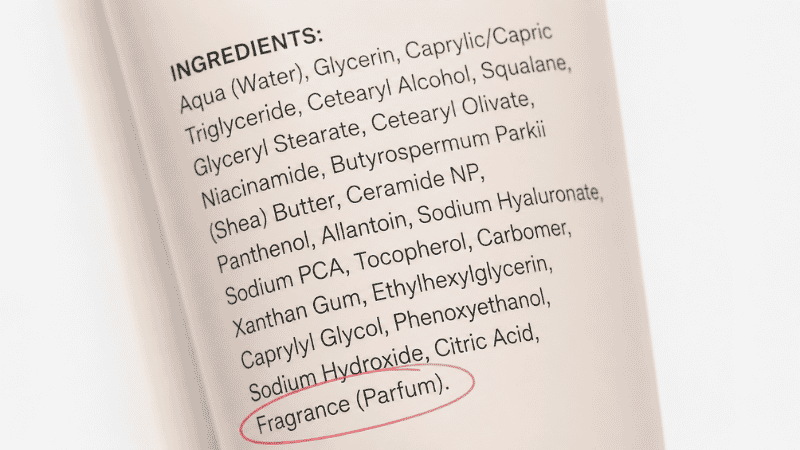
Fragrance (listed as “fragrance,” “parfum,” or “aroma”): The single most common cause of cosmetic-related skin reactions. This category includes synthetic fragrances and natural fragrances — essential oils like lavender, ylang ylang, and citrus are equally capable of causing reactions as synthetic ones. If a product says “unscented,” check the ingredient list — some unscented products still contain fragrance compounds to mask chemical smells.
Alcohol (ethanol, alcohol denat, isopropyl alcohol): Drying and irritating, especially in high concentrations. Can disrupt the skin barrier with regular use. Note: not all alcohols are bad — fatty alcohols like cetyl alcohol and cetearyl alcohol are fine and often beneficial.
Parabens (methylparaben, propylparaben, butylparaben): Preservatives that cause reactions in some people with sensitive or reactive skin, though sensitivity varies widely. If you’ve reacted to a paraben-containing product, look for “paraben-free” labels.
Chemical UV filters (oxybenzone, octinoxate, avobenzone): Common sunscreen ingredients that cause stinging and irritation in sensitive skin. Mineral sunscreen (zinc oxide, titanium dioxide) is generally better tolerated.
Formaldehyde-releasing preservatives (DMDM hydantoin, imidazolidinyl urea, diazolidinyl urea): Release small amounts of formaldehyde to prevent bacterial growth. A known contact allergen for many people.
Essential oils: Despite their natural origin, essential oils are highly concentrated plant compounds that are among the most common causes of allergic contact dermatitis. Tea tree, lavender, citrus, and peppermint are particularly problematic for reactive skin.
The quick label check for sensitive skin: When evaluating a new product, look at the first 5-10 ingredients (where the highest-concentration ingredients appear) and the last few (where preservatives and fragrance often hide). If you see “fragrance,” “parfum,” or any essential oil in those spots, proceed with caution.
Foundation for Sensitive Skin
When choosing a foundation for sensitive skin, the formula priorities are: fragrance-free, minimal ingredient list, non-comedogenic, and a finish that doesn’t require heavy setting products on top.
What to look for:
- Labeled “fragrance-free” or “unscented with no masking fragrance”
- Non-comedogenic (won’t clog pores, which can worsen sensitivity)
- Hypoallergenic and dermatologist-tested (not regulated, but brands that use this alongside clinical testing are more trustworthy)
- Mineral-based or with mineral SPF if you want sun protection in your base
Drugstore picks that consistently work for sensitive skin:
- Neutrogena SkinClearing Mineral Powder (~$13) — fragrance-free, mineral-based, good for reactive skin prone to breakouts
- Almay Smart Shade Sensitive Skin Liquid Makeup (~$12) — specifically formulated for sensitive skin, fragrance-free, minimal ingredient list
- CeraVe Hydrating Mineral Sunscreen SPF 30 Face Sheer Tint (~$16) — technically a tinted sunscreen rather than foundation, but one of the most consistently well-tolerated options for reactive skin
- Physicians Formula Organic Wear Tinted Moisturizer (~$14) — organic, no synthetic fragrances, certified for sensitive skin
What to avoid in foundations: Heavy silicone-based formulas can trap irritants against skin. Foundations with very long ingredient lists are statistically more likely to contain something your skin reacts to — shorter lists mean less exposure to potential irritants.
Concealer for Sensitive Skin
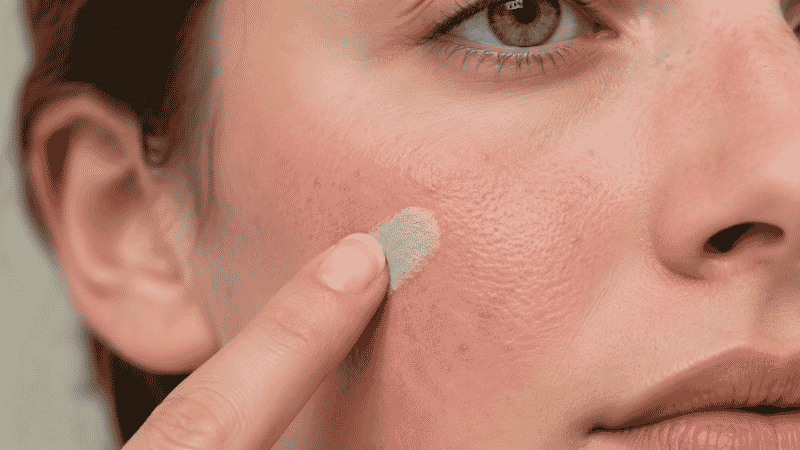
Concealer for sensitive skin follows the same principles as foundation: fragrance-free, minimal ingredients, tested for sensitive skin. The additional consideration with concealer is that it’s often applied to already-irritated areas (blemishes, redness) where the skin barrier is already compromised — making ingredient quality even more important.
Drugstore picks:
- e.l.f. Hydrating Camo Concealer (~$10) — fragrance-free, hydrating formula, good coverage without heavy formulation
- Neutrogena Hydro Boost Concealer (~$13) — hyaluronic acid-based, fragrance-free, very gentle
- Almay Line Smoothing Concealer (~$10) — formulated for sensitive skin, minimal ingredients
Technique tip for sensitive skin: Apply concealer with a clean fingertip rather than a brush — less friction on already-reactive areas, and the warmth helps blend without tugging.
Mascara for Sensitive Skin
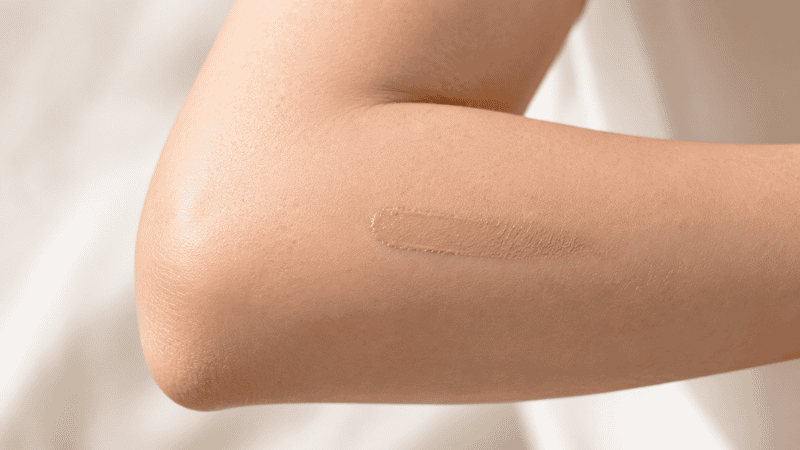
Eye area skin is significantly thinner and more reactive than the rest of the face, and mascara is one of the most common causes of eye irritation and allergic reactions in cosmetics.
What to look for in mascara for sensitive skin:
- “Ophthalmologist tested” on the label — indicates testing for eye safety
- Fragrance-free
- Minimal preservatives (quaternium-15, a common mascara preservative, is a known allergen)
What to avoid:
- Waterproof mascara formulas contain stronger bonding agents and solvents that are more irritating to eyes and require more aggressive removal (which causes additional friction and irritation)
- Fiber mascaras — the fibers can migrate into eyes and cause irritation
- Any mascara with fragrance
Drugstore picks:
- Almay One Coat Thickening Mascara (~$9) — formulated specifically for sensitive eyes, ophthalmologist tested
- Neutrogena Healthy Lengths Mascara (~$9) — gentle formula, good for contact lens wearers and sensitive eyes
- e.l.f. Lash ‘N Roll Mascara (~$10) — minimal ingredient list, no fragrance, gentle formula
Important: Replace mascara every 3 months regardless of how much is left. Old mascara accumulates bacteria that can cause eye infections and irritation even in non-sensitive users.
Is Mineral Makeup Better for Sensitive Skin?
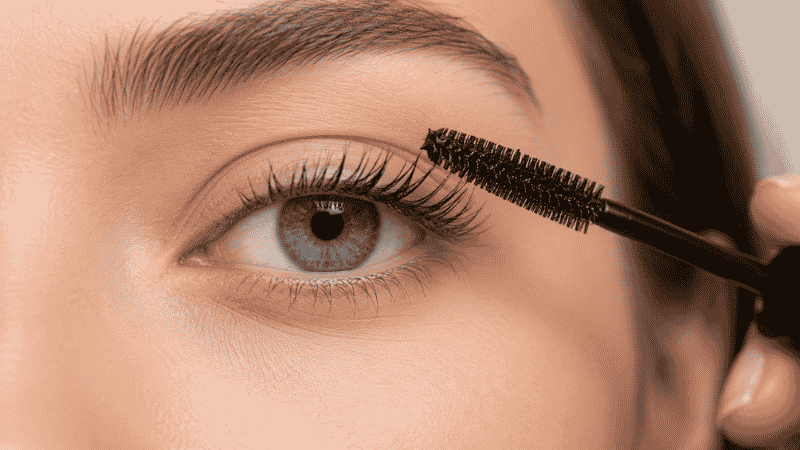
Generally, yes — but with important nuances.
Mineral makeup (formulated primarily with zinc oxide, titanium dioxide, mica, and iron oxides) tends to be better tolerated by sensitive skin for several reasons: it’s often fragrance-free, the ingredients are relatively inert (they don’t react with skin or harbor bacteria easily), and zinc oxide has actual anti-inflammatory properties that can calm redness.
What makes mineral makeup work for sensitive skin:
- Zinc oxide is naturally calming and anti-inflammatory
- Most mineral formulas skip fragrances, preservatives, and fillers that trigger reactions
- The simpler ingredient list means fewer potential irritants
The nuance: Not all products labeled “mineral” are created equal. Some mineral foundations contain additional ingredients — fillers, fragrances, oils — that can still cause reactions. Check the full ingredient list rather than relying on the “mineral” label alone.
Drugstore mineral picks:
- Physicians Formula Mineral Wear Talc-Free Mineral Face Powder (~$13) — consistently recommended for sensitive skin, no talc, no fragrance
- e.l.f. Mineral Infused Face Primer (~$10) — mineral-based, prepares skin without irritation
- Neutrogena Mineral Sheers Powder Foundation (~$12) — fragrance-free, mineral-based, good coverage
Makeup for Rosacea
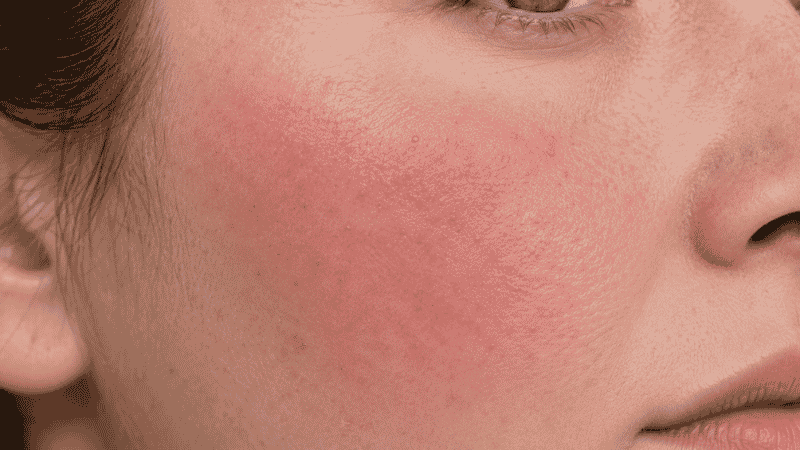
Rosacea is a chronic skin condition characterized by persistent facial redness, visible blood vessels, and sometimes small red bumps. Makeup for rosacea has specific requirements beyond general sensitive skin guidelines.
The rosacea-specific considerations:
Color correction before foundation. A green color corrector applied in thin layers over the reddest areas before foundation neutralizes redness more effectively than layering more and more foundation on top. The NYX Color Correcting Concealer in Green (~$10) is a widely recommended drugstore option.
SPF is non-negotiable. Sun exposure is one of the most consistent rosacea triggers. Daily mineral SPF (zinc oxide specifically has anti-inflammatory properties that benefit rosacea-prone skin) is essential.
Avoid products with warming or flushing ingredients. Menthol, camphor, peppermint, and many astringent ingredients can trigger rosacea flares. Alcohol in toners and some foundations is also a common trigger.
Temperature during application matters. Use lukewarm water, apply products at room temperature, and avoid anything that increases skin temperature — including rubbing or using very warm blending tools.
Foundation for rosacea:
- bareMinerals Original Loose Powder Foundation (~$32) — the most consistently recommended product for rosacea across skincare communities; mineral-based, fragrance-free, has a calming effect
- Almay Smart Shade Sensitive Skin (~$12) — drugstore option, fragrance-free, gentle formula for reactive skin
How to Patch Test Makeup
Patch testing is the most effective way to prevent a full-face reaction before it happens — and it takes less than five minutes to set up.
Step 1: Apply a small amount of the new product to a discreet area. The inner arm (inside of the elbow) is the most common patch test location — the skin there is thin and reactive, similar to facial skin.
Step 2: Leave it on for 24 hours without washing the area. Don’t apply other products over it.
Step 3: Check at 24 hours for any reaction: redness, itching, swelling, or bumps. If any reaction occurs, don’t use the product on your face.
Step 4: If no reaction at 24 hours, the product is likely safe for your skin — but start by applying it to a small area of your face before doing a full application.
Important note: A patch test on your arm doesn’t perfectly replicate how your face will respond, especially for eye area products. For mascara and eyeliner, test on the inside of your wrist near your eye area rather than the elbow.
What to Do When Your Makeup Causes a Reaction
Stop using the product immediately. If your skin is actively reacting, continuing to use the product prolongs the reaction.
Identify the likely culprit. Check the ingredient list for the common offenders listed earlier in this guide. If you’ve recently introduced multiple new products, stop them all and reintroduce one at a time.
Soothe the skin barrier. Apply a fragrance-free, minimal-ingredient moisturizer or barrier cream. CeraVe Healing Ointment, Vanicream Moisturizing Cream, and La Roche-Posay Cicaplast Baume are all consistently recommended for post-reaction skin calming.
When to see a dermatologist: If the reaction involves significant swelling, hives, difficulty breathing, or doesn’t improve within 48-72 hours of stopping the product — seek medical attention. Persistent or recurring reactions that you can’t identify the cause of also warrant a dermatologist visit for patch testing.
The Minimal Routine for Sensitive Skin Days
On reactive skin days, less is genuinely more. A 3-product approach minimizes exposure to potential irritants while still giving you a polished finish:
- Mineral tinted sunscreen (serves as SPF + light coverage in one)
- Fragrance-free concealer on specific spots only
- Ophthalmologist-tested mascara
That’s it. No setting powder, no blush, no multiple products layering on top of each other. Sensitive skin benefits from breathing room.
FAQ
What makeup ingredients should sensitive skin avoid?
The main offenders are fragrance (listed as “fragrance,” “parfum,” or essential oil names), alcohol (ethanol, alcohol denat), formaldehyde-releasing preservatives (DMDM hydantoin), chemical UV filters (oxybenzone, octinoxate), and parabens. Fragrance is the most common cause of cosmetic skin reactions.
Is mineral makeup better for sensitive skin?
Generally yes — mineral makeup is typically fragrance-free, has a simpler ingredient list, and zinc oxide has anti-inflammatory properties that can actually calm reactive skin. However, check the full ingredient list rather than relying on the “mineral” label alone, as some mineral formulas still contain irritating ingredients.
What does hypoallergenic mean on makeup?
“Hypoallergenic” is not a regulated term in the US — any brand can use it without meeting specific standards. A product labeled hypoallergenic may still cause reactions. Look for “fragrance-free,” “dermatologist tested,” and “ophthalmologist tested” (for eye products) alongside patch testing before full use.
How do I patch test makeup?
Apply a small amount to your inner arm and leave it for 24 hours without washing. If no redness, itching, or irritation appears after 24 hours, the product is likely safe for your skin. Start with a small facial area before doing a full application.
What foundation is best for sensitive skin?
Look for foundations labeled fragrance-free, non-comedogenic, and mineral-based or dermatologist-tested. Almay Smart Shade Sensitive Skin, CeraVe Tinted Sunscreen, and Physicians Formula Mineral Wear are consistently recommended drugstore options for reactive skin.
Sensitive Skin Doesn’t Mean No Makeup
It means being more intentional about what goes on your face — and learning to read an ingredient list for the handful of things that consistently cause problems. Once you know your specific triggers (fragrance is the most likely one), you can navigate the makeup aisle with significantly more confidence.
The products exist. They’re at the drugstore. They work.
Keep building your routine on MyColorKiss:
- Skincare Routine for Beginners — building a gentle skincare base for sensitive skin
- How to Remove Makeup Properly — gentle removal is especially important for reactive skin
- Does Sunscreen Prevent Tanning — finding mineral SPF that doesn’t irritate sensitive skin
- How to Get Clear Skin — when sensitive skin overlaps with acne-prone skin
And remember — if you’ve been reacting to makeup for years and can’t figure out why, a dermatologist patch test can identify your specific allergens in one appointment. It’s genuinely one of the most useful things you can do for your skin.